




"For anyone just starting out with TCI, jump right in! The lessons are ready to go; they are planned with built-in engaging activities."
Teaching Strategies Built by Teachers, Backed by Research
Students remember what they do. In a TCI classroom, they investigate sources, solve problems with others, take positions, and explain their thinking out loud. That is the TCI Approach: teaching strategies that make social studies and science engaging and accessible for every student
Our Approach
Where Classroom Experience Meets Learning Research
What happens when educators combine firsthand classroom experience with evidence-based research? You get the TCI Approach — a framework that keeps students focused, motivated, and ready to learn. Built on ideas from researchers like Elizabeth Cohen, Jerome Bruner, Grant Wiggins, Howard Gardner, Jay McTighe, and Robert Marzano, the TCI Approach rests on five key principles:
All students can learn with a spiral curriculum.
Students learn best through multiple modalities.
Cooperative interaction boosts learning.
Clear learning goals are essential.
Both linguistic and nonlinguistic experiences are important.
Active Learning
Students Learn More When They Learn Together
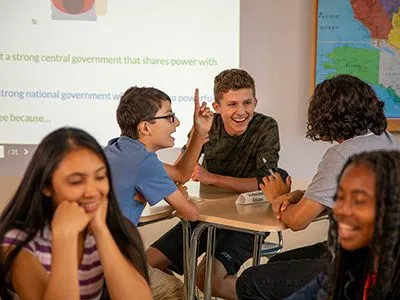
A TCI classroom is rarely still. Students are up and moving, examining an image, arguing over what a source really says, working out an answer with the person beside them.
Active learning puts students in charge of the work. They investigate, take positions, and explain their reasoning rather than waiting to be told what to think. Doing that together takes them further than any of them would get alone. Students test each other's ideas, challenge each other's assumptions, and build understanding out loud where everyone can take part.
A TCI Lesson
Inside Every TCI Lesson
Every TCI lesson includes these four steps, so students settle into the rhythm and teachers know what comes next. The specifics change by subject and grade, but the structure holds.
-
Connect to students' lives
Every lesson opens with something familiar or something puzzling: an idea from students' own experience, or a question they want to answer. They say what they already know and start asking questions of their own.
-
Investigate it firsthand
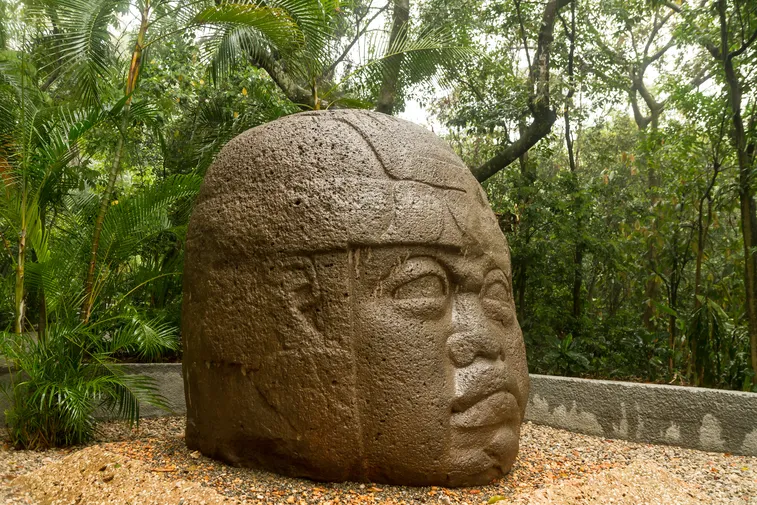
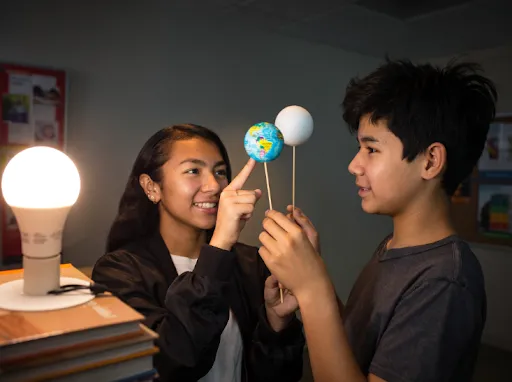
Students go find out for themselves. In social studies, they work with primary sources, take on roles, and build arguments. In science, they plan and carry out investigations and record what they observe.
-
Make sense of it together
Students build understanding by talking it through. They compare what they found, back their thinking with evidence, and hear where classmates landed differently.
-
Show what you know
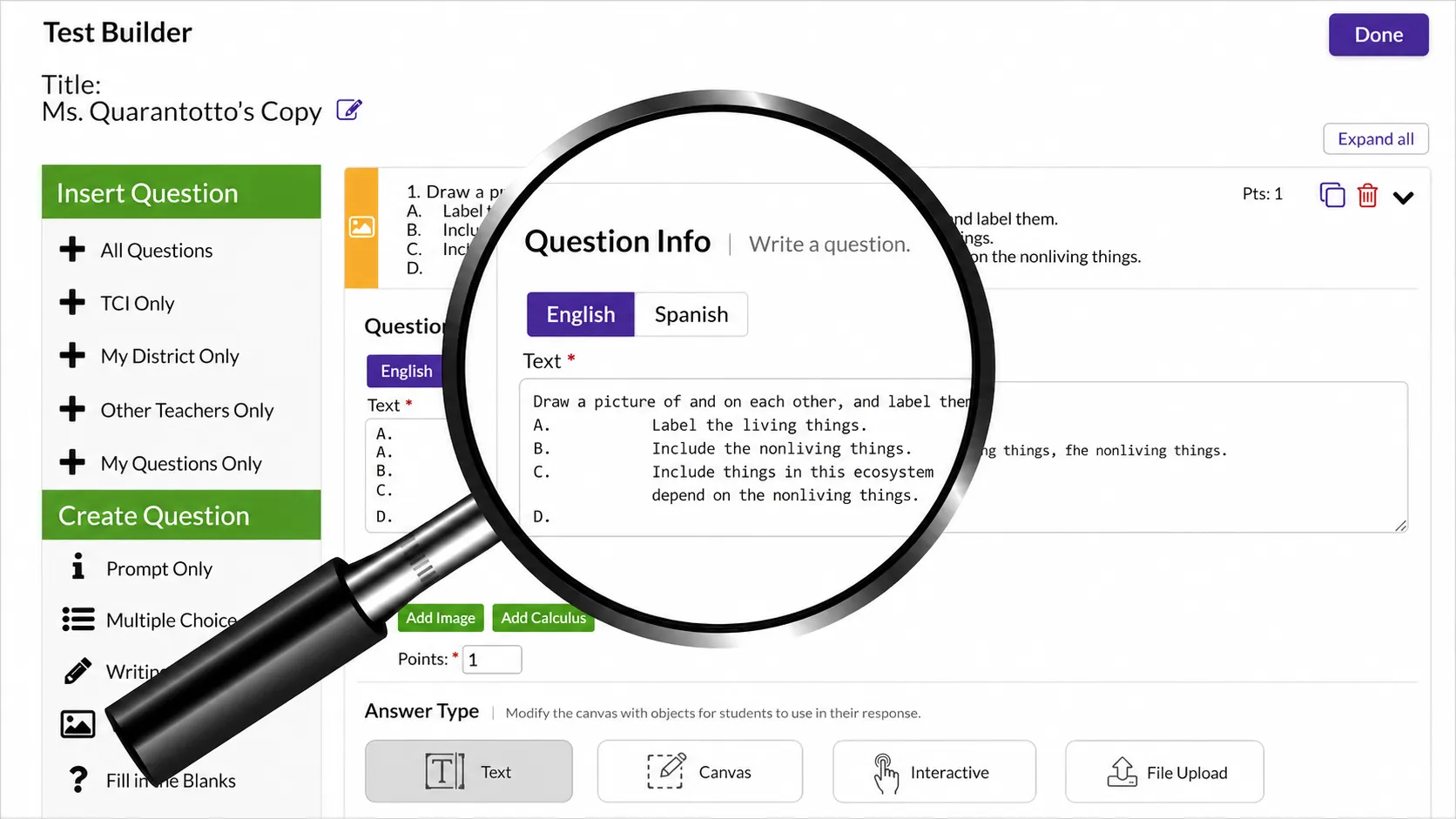
Each lesson ends with students putting their understanding into their own words. They write, present, or make a claim and back it with the evidence they gathered.
The TCI Approach in Action
Hear from the educators using TCI every day.