



 Blog
High-Quality Instructional Materials Bring Learning Alive!
A look at how TCI's programs put the elements of high-quality instructional materials to work in real classrooms.
Read the blogInquiry-based programs where students analyze primary sources, build evidence-based arguments, and take part in rich discussion, in print and digital.
See the Social Studies overviewSee how TCI engages all learners and provides comprehensive teach support to Bring Learning Alive! in K-12 classrooms.

Active learning, teacher-ready lessons, and a high-quality curriculum have always been at the heart of TCI. The new programs are sharper, more consistent, and built as a true K-12 system.
Bring Science Alive! is phenomena-driven and NGSS-aligned. Every unit opens on an anchoring phenomenon, then students investigate it the way scientists do.
See the Science overview
In this lesson from our Bring Science Alive! Weather and Climate program, students create their own wind, build a balloon barometer, and track atmospheric pressure.
Self-paced courses, live events, and opportunities to connect with or lead other educators — support that continues long after implementation week.

Join Brian Thomas and Loyal Frazier on October 20 at 6 pm ET for practical ways to help students evaluate sources and the growing volume of online and AI-generated information.
Research-backed guidance on the questions districts are actually asking — from HQIM adoption to AI in the classroom.

Michael Washington, a 22-year classroom veteran, sees differentiation as how a lesson itself, built through active learning strategies, can reach every student in the room at once.
Built by teachers, for teachers.
Bringing Learning Alive! since 1989.

Megan Forbes is in her 15th year of teaching, and the program bends to how she wants to teach that day. Some days, that's the textbook and interactive notebook. Other days it's a Video Activity.
Research, expert guidance, and classroom evidence to help you understand what makes social studies materials high quality, evaluate your options, and choose with confidence.
New social studies materials are constantly being developed, but quality can vary. High-quality instructional materials (HQIM) stand out by offering the support teachers need and engaging students.
A recent RAND report shows that HQIM make a real difference in the classroom. They help students perform better, save teachers time, and promote fairness for all students. HQIM can transform your classroom and improve student learning outcomes. Effective HQIM should meet state standards, use research-based social studies practices, feature multiple perspectives and diverse sources, be easy to use, offer plenty of teacher support, and include assessment opportunities.
What's at the heart of an HQIM social studies program? Explore the elements for effectively engaging students and teaching essential social studies content and skills.
Instructional materials that meet state standards empower educators to confidently teach content that meets educational goals.
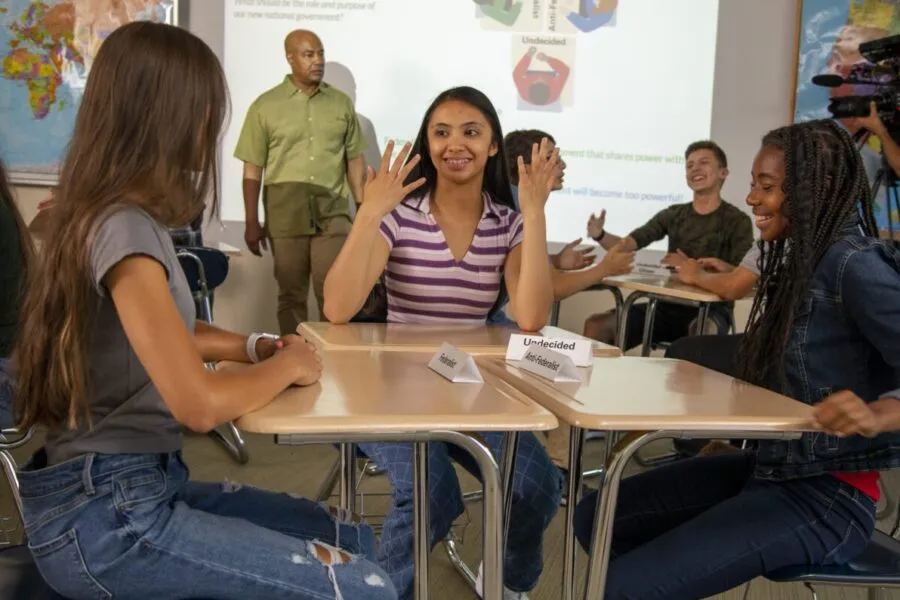
High-quality materials emphasize research-based social studies practices. By integrating inquiry-based learning, disciplinary literacy, and civic engagement, students learn to draw evidence-based conclusions and apply their knowledge to their communities.
Engaging with diverse sources helps students broaden their understanding and prepare to thrive in our interconnected world. High-quality materials allow teachers to navigate classrooms with diverse student populations and support inclusive classroom environments.
Thoughtfully organized materials make it easier for teachers to support their students. Clear and well-structured resources aid in planning and effective implementation.
Scaffolding is essential for effective learning, helping students progressively build their understanding of new concepts and skills.
High-quality materials provide many opportunities for student assessment. Along with notebook questions and tests, you can assess student performance through daily activities, group work, and writing assignments.
Blog
A look at how TCI's programs put the elements of high-quality instructional materials to work in real classrooms.
Read the blog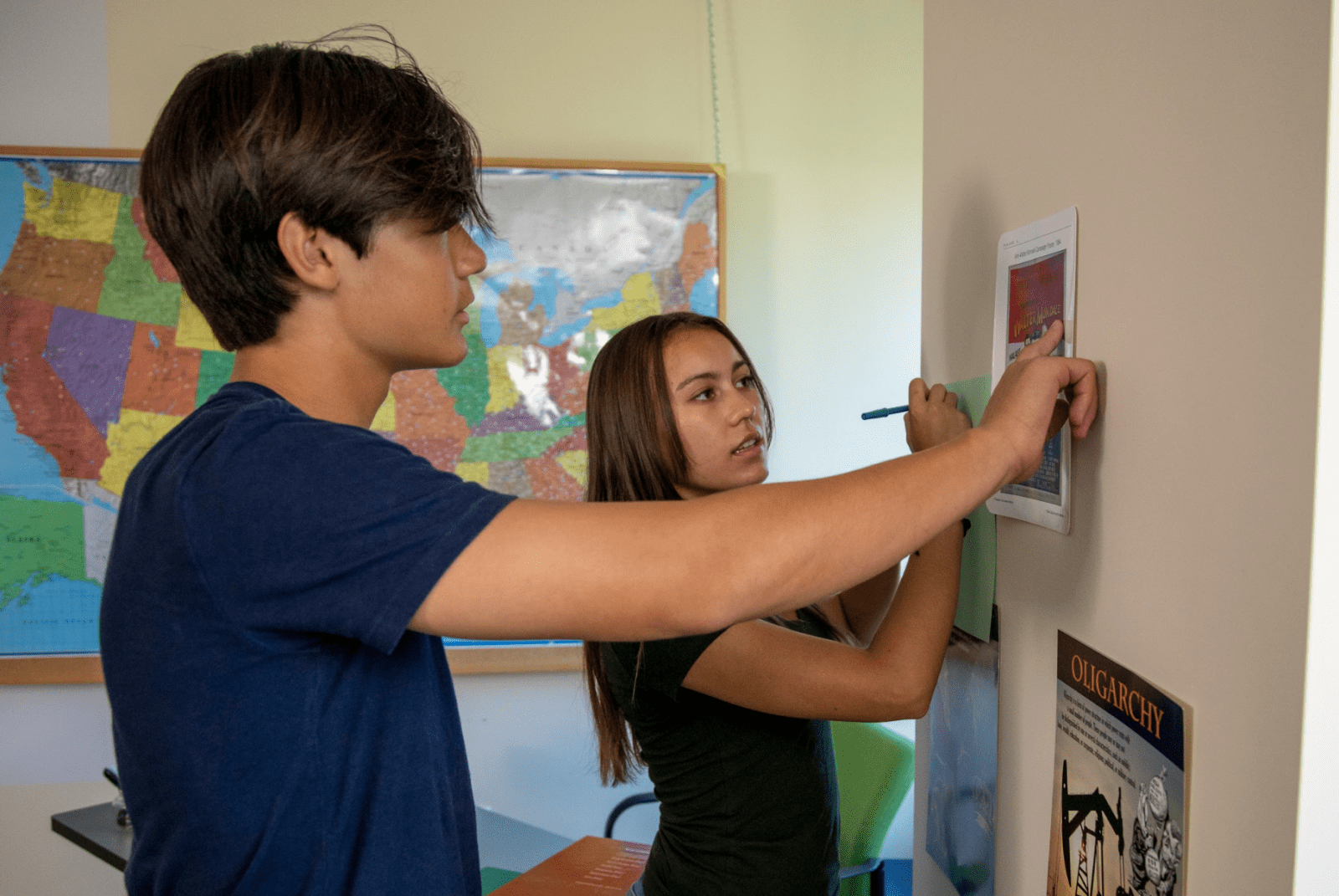 Blog
Selecting high-quality instructional materials (HQIM) for social studies is one of the most impactful decisions a district can make. It influences not only student achievement but also teacher effectiveness and overall district success.
Read the blog Webinar
See what high-quality materials look like in practice and how they drive deeper, more engaging social studies learning.
Watch the webinar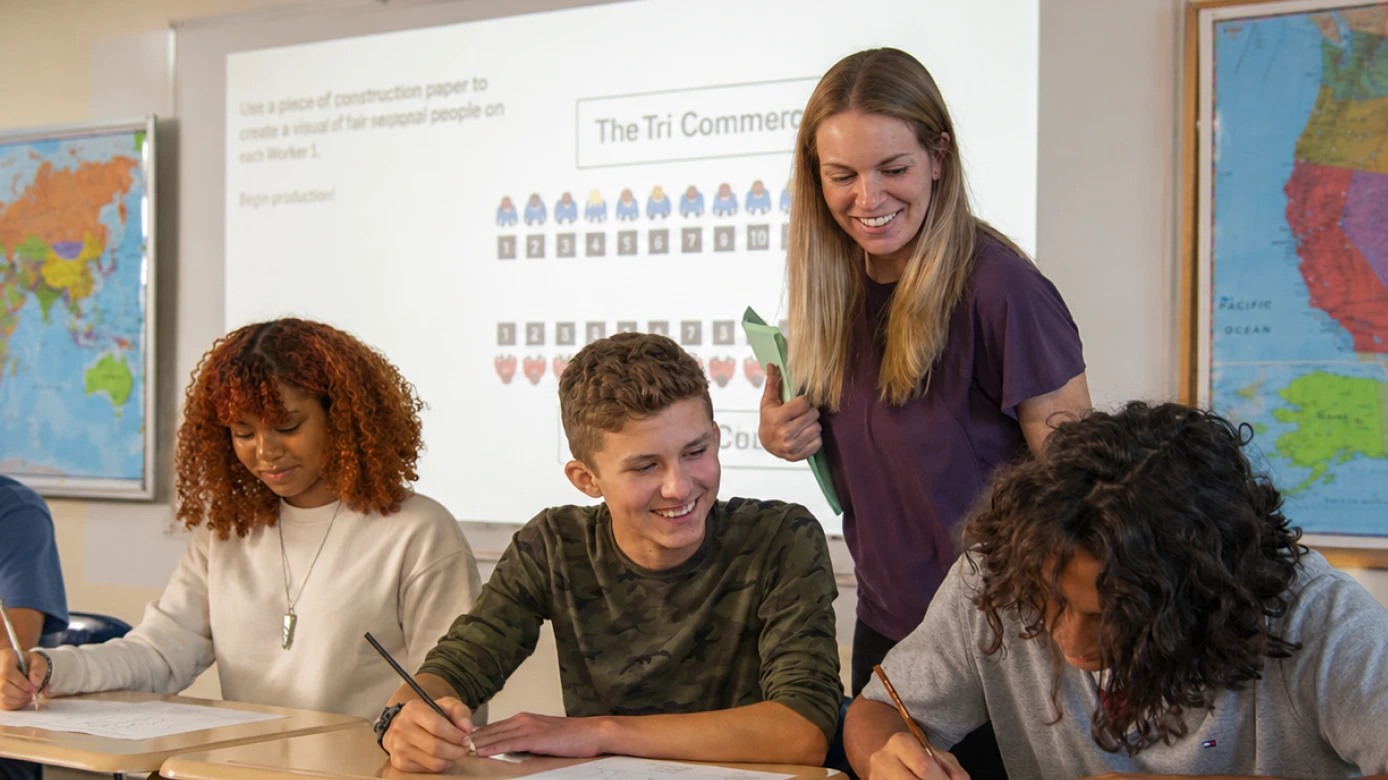 Blog
Engaging students in social studies goes beyond simply covering the material; it’s about helping them connect historical events to current issues and develop critical thinking skills.
Read the blog eBook
A step-by-step guide to evaluating and selecting social studies curriculum, from meeting standards to supporting teachers and engaging students.
Download the eBook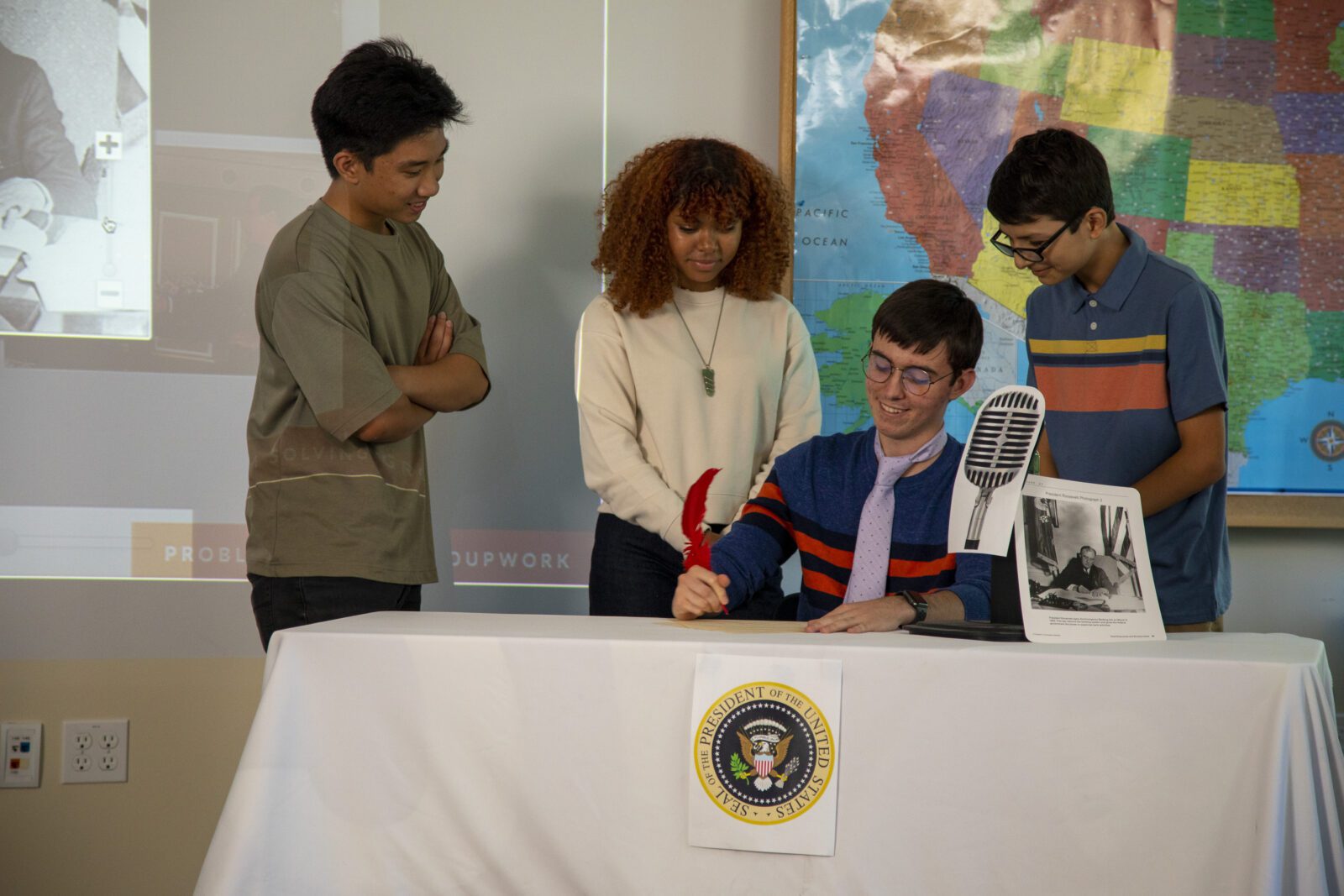 Blog
Civic education is the cornerstone of a functioning democracy, yet recent evaluations reveal significant gaps in how it is taught across the nation. High-quality civics and U.S. history instruction is essential for developing informed, engaged citizens who can navigate the complexities of modern society.
Read the blog Blog
Social studies is more than just a subject—it provides the foundation for understanding and engaging with the world around us.
Read the blog
Research-backed strategies for building literacy through social studies in the elementary classroom, so students grow content knowledge and reading skills together instead of on separate tracks.
View Collection
As AI reshapes work and daily life, the skills that matter most are the ones social studies has always built: critical thinking, communication, collaboration, and the judgment to evaluate sources and solve problems.
View CollectionExplore practical strategies, research, and classroom ideas from educators who know social studies.

Discover how integrating social studies and science into K-5 literacy instruction boosts reading comprehension, vocabulary, and critical thinking.
Read More about The Missing Piece in Literacy Instruction: Why Social Studies and Science Matter
Learn how strong curriculum and active learning prepare students for an AI-driven world, and where AI fits as a classroom tool.
Read More about How Active Learning Prepares Students for an AI-Driven World