
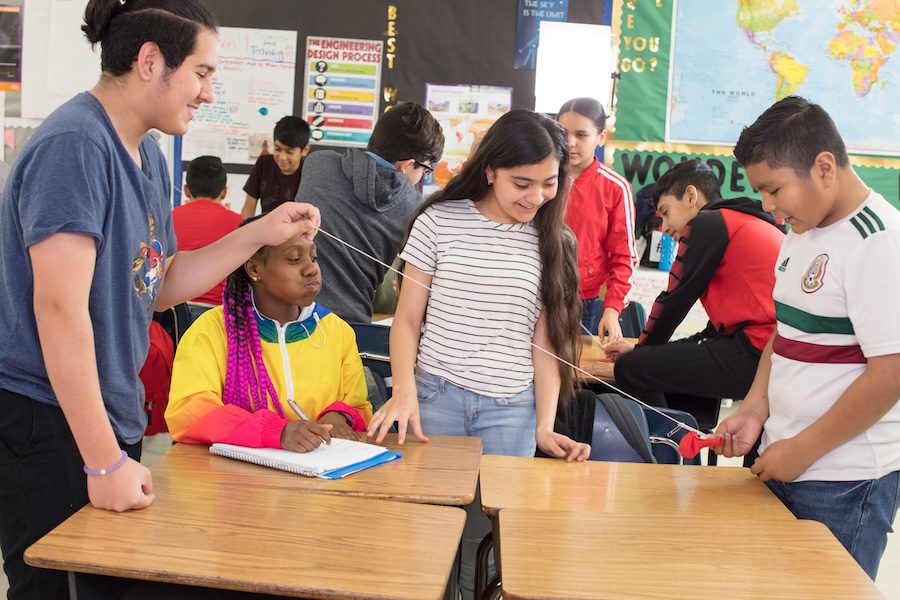
“Getting Science Done” is one of the core principles that Jeffrey (Jeff) Bouwman strongly believes in. When Jeff transitioned from elementary to middle school teaching 10 years ago, he brought with him a clear vision: students should learn science by doing science. Inspired by mentors who taught him that “science is not something that you Google—it’s something that you do,” Jeff has built a classroom culture centered around hands-on investigation and real-world application.
“It was kind of like my own little belief system, and I think a lot of teachers that teach science in our building are of that mindset,” Jeff explains. “You have your social studies book, History Alive!, your science book, Bring Science Alive!. Well, that’s what we try to do. We have a lot of great kids in the area who want to walk in and just want to be wowed. We all strive to create that magic and inspire kids to fall in love with science.”
Now teaching in a dedicated STEM lab that doubles as a robotics space, Jeff coaches both middle and high school robotics while teaching three elective classes and two core science classes. His commitment to active, engaging science instruction made finding the right curriculum essential for his team’s success.
Finding the Right Curriculum
Five to six years ago, the science teachers at Gibraltar School District faced a significant challenge. They were creating lessons from scratch, hoping they aligned with state standards. The team recognized the need for a comprehensive science curriculum to support their work and ensure consistent, high-quality science instruction across all classrooms.
After evaluating multiple programs, the decision became clear, and it came from an unexpected source of validation.
“I think the thing that spoke volumes to me is that three of the teachers on my science team are parents. They have kids in this district,” Jeff shares. “When two or three of my friends are like, ‘I really like the Bring Science Alive! program,’ we gotta take note of that, because that’s the book that’s gonna teach their kid. If they’re saying, ‘I want this for my child,’ that speaks volumes right there.”
Jeff was also drawn to several key features of TCI’s Bring Science Alive! program, including:
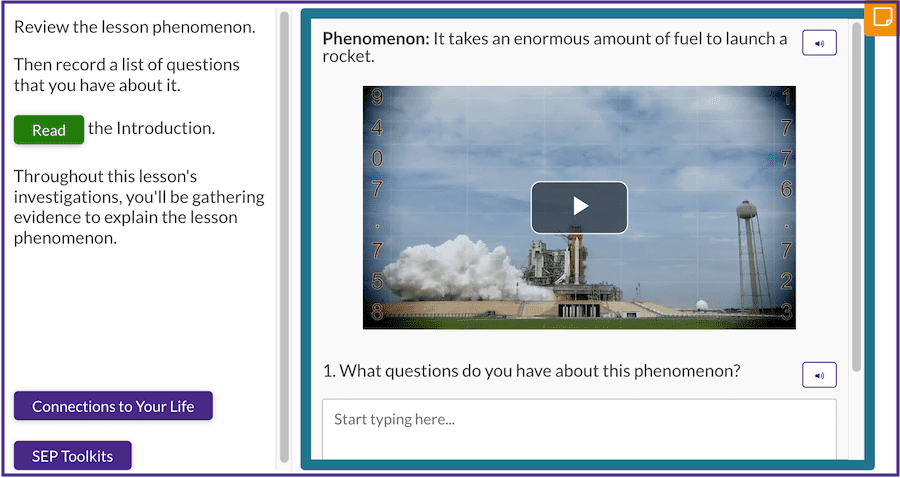
Phenomena-driven learning: “Phenomena’s awesome, because you can start off with it, generate questions, move through the investigations, the reading, re-explore it, assess.”
Depth of Knowledge organization: “You have the assessments organized by depth of knowledge, too. That’s such a hot topic, and you have that already in the book, waiting for everybody.”
Think Like a Scientist sections: “For me, that’s huge, because it’s not memorize, regurgitate, forget, move on anymore. It’s apply and then keep going. It’s like levels of knowledge stacked on top of each other.”
Making Real-World Connections
TCI’s Bring Science Alive! programs for elementary and middle school classrooms are rich with real-world phenomena that spark students’ curiosity about the world around them. Each lesson focuses on at least one Science and Engineering Practice, Disciplinary Core Idea, and Crosscutting Concept to support learning as it relates to performance expectations.
This three-dimensional approach has transformed how Jeff’s students engage with science. “We’re teaching them to think like a scientist. We’re changing the mindset behind it all. We’re encouraging the information to go to long-term memory, so it’s a tool that they can use for the rest of their life.”
This approach aligns perfectly with Michigan’s M-STEP assessment, which requires students to think critically and apply knowledge rather than simply recall facts.
Creative Connections: Projects to Make Learning Stick
Jeff excels at connecting TCI content to students’ lives. Using the Reading Furthers found at the end of each lesson, he creates engaging projects that resonate with middle schoolers:
After reading “Wildlife in the City,” students create Instagram story-style presentations about urban animals.
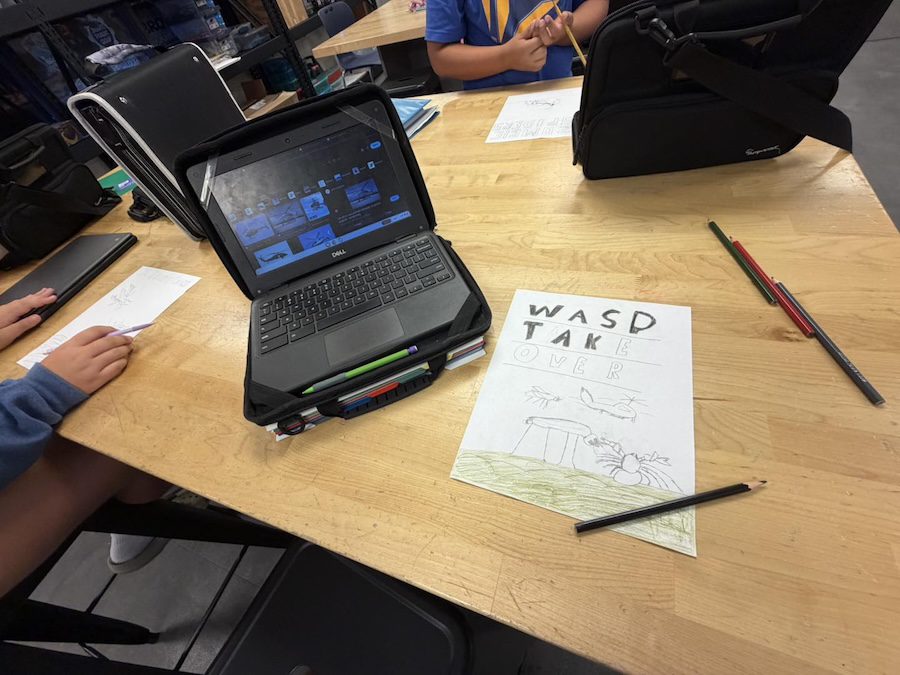
The parasitoid relationships article inspired Halloween-themed and retro sci-fi movie posters.
Students transform decomposer content into mock Facebook profiles, hitting all the key learning targets while breaking from traditional question-and-answer formats.
These creative adaptations demonstrate how TCI’s flexible framework enables teachers to meet students where they are while maintaining rigorous academic standards.