Investigations
Students are presented with images of various objects and challenged to identify different types of matter. Then they use a Molecular Modeling Set to create and examine models of molecules.
Start InvestigatingInquiry-based programs where students analyze primary sources, build evidence-based arguments, and take part in rich discussion, in print and digital.
See the Social Studies overviewSee how TCI engages all learners and provides comprehensive teach support to Bring Learning Alive! in K-12 classrooms.

Active learning, teacher-ready lessons, and a high-quality curriculum have always been at the heart of TCI. The new programs are sharper, more consistent, and built as a true K-12 system.
Bring Science Alive! is phenomena-driven and NGSS-aligned. Every unit opens on an anchoring phenomenon, then students investigate it the way scientists do.
See the Science overview
In this lesson from our Bring Science Alive! Weather and Climate program, students create their own wind, build a balloon barometer, and track atmospheric pressure.
Self-paced courses, live events, and opportunities to connect with or lead other educators — support that continues long after implementation week.

Join Brian Thomas and Loyal Frazier on October 20 at 6 pm ET for practical ways to help students evaluate sources and the growing volume of online and AI-generated information.
Research-backed guidance on the questions districts are actually asking — from HQIM adoption to AI in the classroom.

Michael Washington, a 22-year classroom veteran, sees differentiation as how a lesson itself, built through active learning strategies, can reach every student in the room at once.
Built by teachers, for teachers.
Bringing Learning Alive! since 1989.

Megan Forbes is in her 15th year of teaching, and the program bends to how she wants to teach that day. Some days, that's the textbook and interactive notebook. Other days it's a Video Activity.
In this lesson from our Bring Science Alive! Matter program, students observe images for various materials and use an investigation to explore chemical bonds.
Explore the Investigation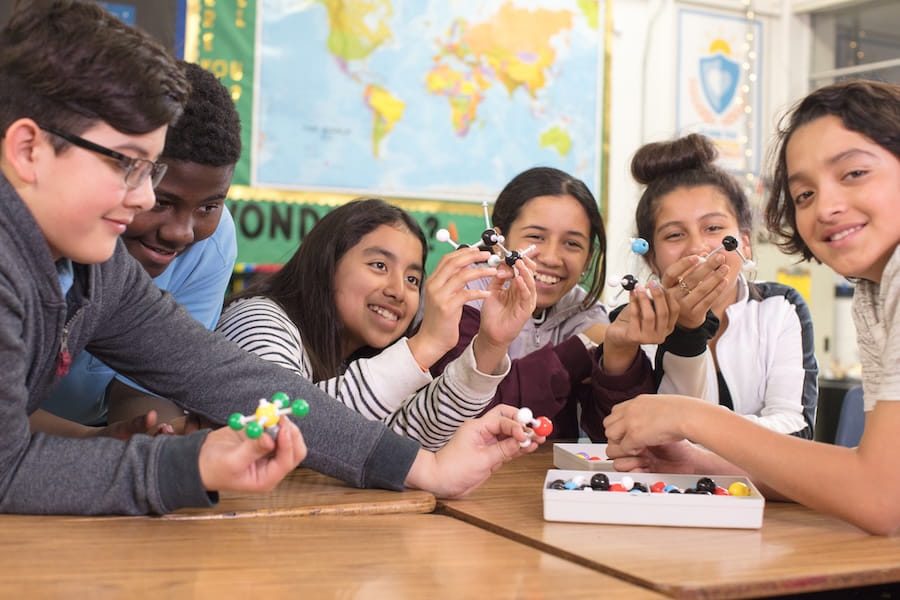
Students are presented with images of various objects and challenged to identify different types of matter. Then they use a Molecular Modeling Set to create and examine models of molecules.
Start Investigating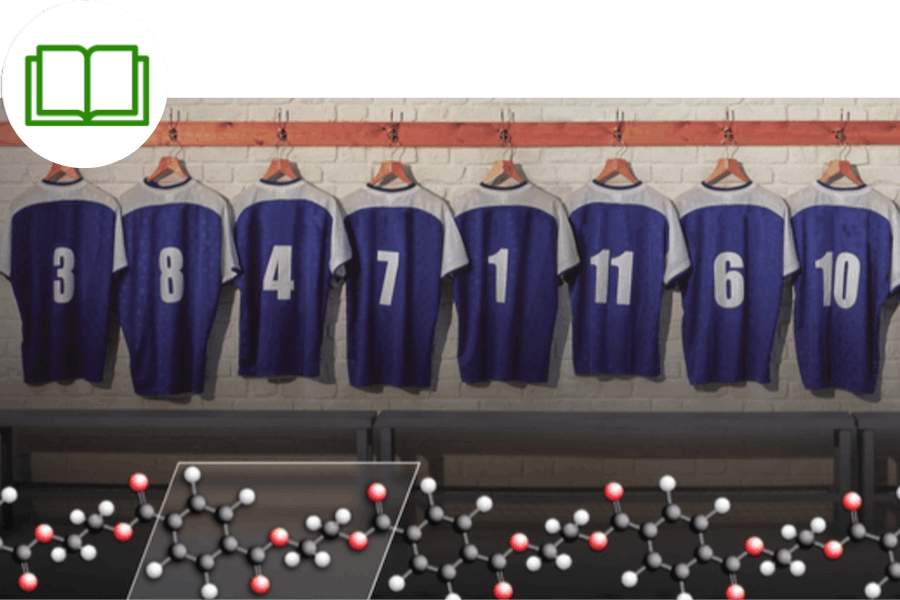
Read expository text in print and online to build understanding of types of matter, molecular models, and how molecules are represented.
Explore Materials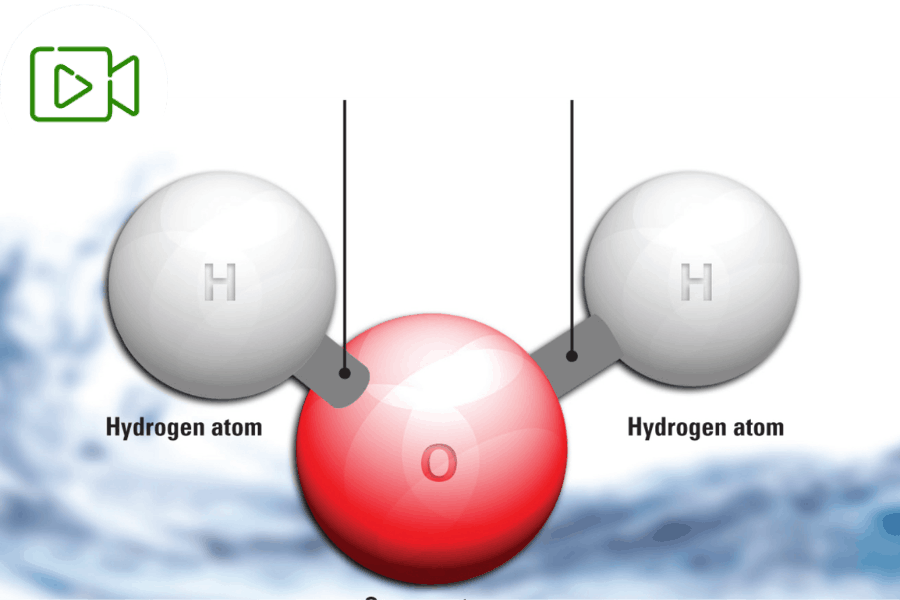
Explore a video activity where students check their understanding of modeling molecules and extended structures.
Explore the Concept