 LESSON
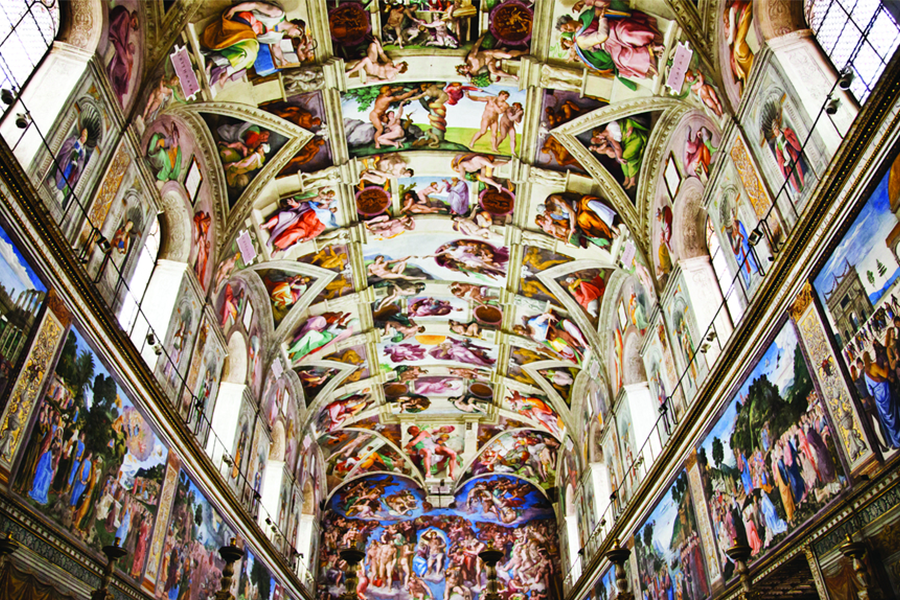
In this lesson, students explore key European thinkers from the Renaissance, Reformation, Scientific Revolution, and Enlightenment.
Experience the LessonInquiry-based programs where students analyze primary sources, build evidence-based arguments, and take part in rich discussion, in print and digital.
See the Social Studies overviewSee how TCI engages all learners and provides comprehensive teach support to Bring Learning Alive! in K-12 classrooms.

Active learning, teacher-ready lessons, and a high-quality curriculum have always been at the heart of TCI. The new programs are sharper, more consistent, and built as a true K-12 system.
Bring Science Alive! is phenomena-driven and NGSS-aligned. Every unit opens on an anchoring phenomenon, then students investigate it the way scientists do.
See the Science overview
In this lesson from our Bring Science Alive! Weather and Climate program, students create their own wind, build a balloon barometer, and track atmospheric pressure.
Self-paced courses, live events, and opportunities to connect with or lead other educators — support that continues long after implementation week.

Join Brian Thomas and Loyal Frazier on October 20 at 6 pm ET for practical ways to help students evaluate sources and the growing volume of online and AI-generated information.
Research-backed guidance on the questions districts are actually asking — from HQIM adoption to AI in the classroom.

Michael Washington, a 22-year classroom veteran, sees differentiation as how a lesson itself, built through active learning strategies, can reach every student in the room at once.
Built by teachers, for teachers.
Bringing Learning Alive! since 1989.

Megan Forbes is in her 15th year of teaching, and the program bends to how she wants to teach that day. Some days, that's the textbook and interactive notebook. Other days it's a Video Activity.

Students investigate how civilizations across time have shaped the modern world, using primary sources and document-based argument to think critically across cultures, centuries, and competing perspectives.
Not part of the all states program list
Choose a different state above, or browse every program in Middle School
World history begins with what history is, why it is worth studying, and the thematic approach that organizes it. Students trace how humans moved from bands of hunter-gatherers to the great civilizations of the ancient world, and how religions have influenced human society.
The post-classical world follows empires as they rise and decline, from the Byzantine Empire to imperial China to Ghana's trans-Saharan trade. Students also examine the decline of feudalism in Europe and the achievements of the Maya, Aztecs, and Incas.
Gunpowder and its role in empire building opens the first global age, alongside the different approaches to cultural interaction that shaped empires in Eurasia. Students then study the ideas that transformed early modern Europe and the factors behind European dominance as a global economy emerged.
Political revolutions of the 1700s and 1800s come first, compared in terms of their similarities and differences. From there, lessons take up the Industrial Revolution, its impacts on society and the environment, and how a few nations came to control much of the globe.
World War I and the Russian Revolution open a unit on worldwide crisis. Students also study unrest in Latin America, how European colonialism shaped the modern Middle East, nationalist movements in Asia, the rise of fascism and totalitarian states, and World War II.
The Cold War unit starts with post-war cooperation in Europe and how the United States and the Soviet Union became adversaries. Students follow the conflicts that reached Third World nations, the end of the Cold War, and shifts of power in the Middle East.
The Contemporary World unit concludes the program with an examination of emerging nations and their quest for political stability and democracy. Students examine how the September 11 attacks affected global politics, the costs and benefits of globalization, changing views on human rights and identity, and the West's role.
LESSON
In this lesson, students explore key European thinkers from the Renaissance, Reformation, Scientific Revolution, and Enlightenment.
Experience the LessonSee every unit and lesson at a glance.
See exactly how the program aligns to your state standards.
Request access to digital samples of the student and teacher materials.
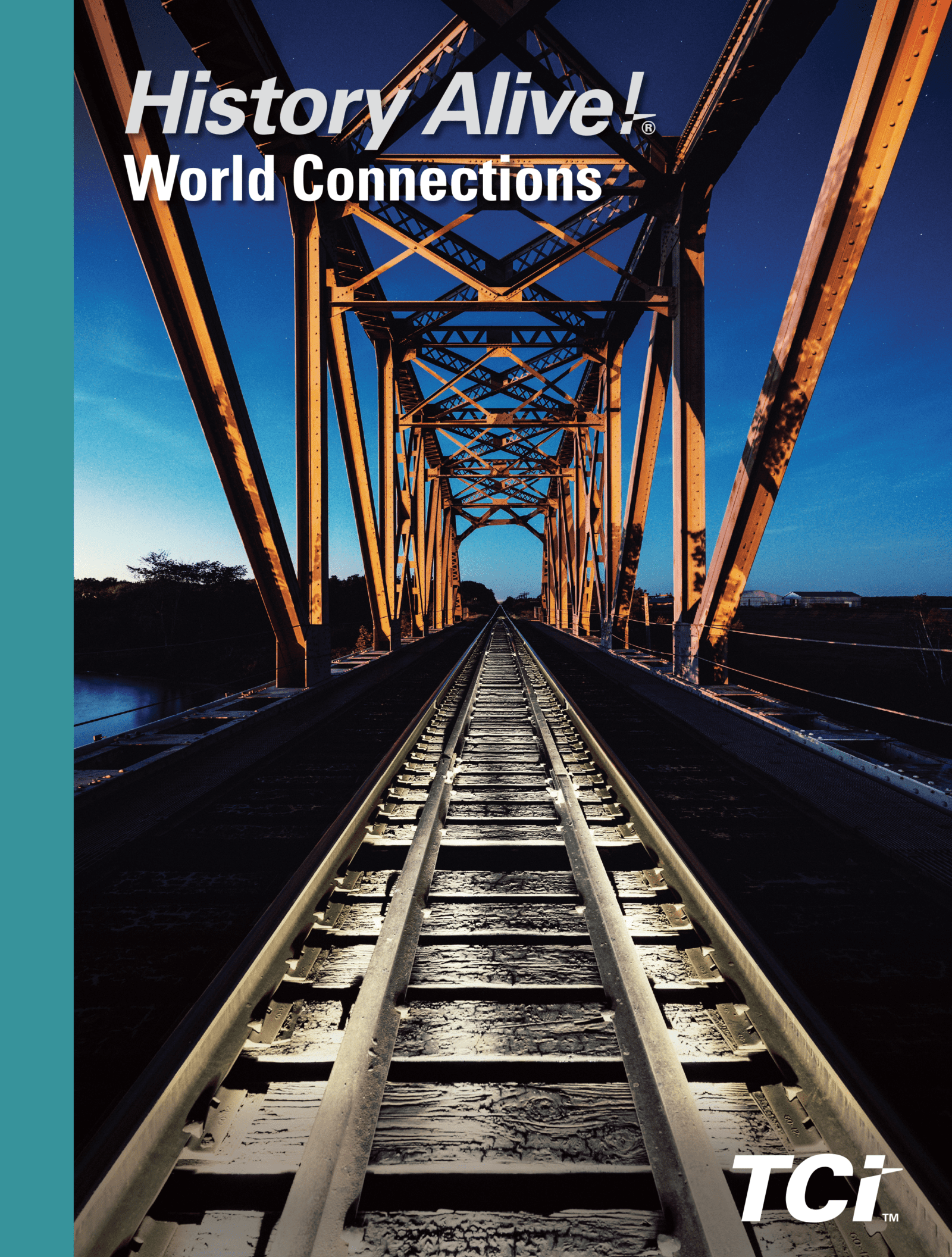
The Student Edition provides a rich knowledge base in history, with mindfully chosen images that support the text and captions that incorporate main ideas. The standards-based text guides students through their learning with clear content organization and a detailed, unifying narrative. Also available in Spanish.
This booklet allows teachers to easily reference all the Interactive Student Notebook pages provided online in one spot. Teachers can quickly review students’ Preview Assignments, Reading Notes, and Processing Assignments.
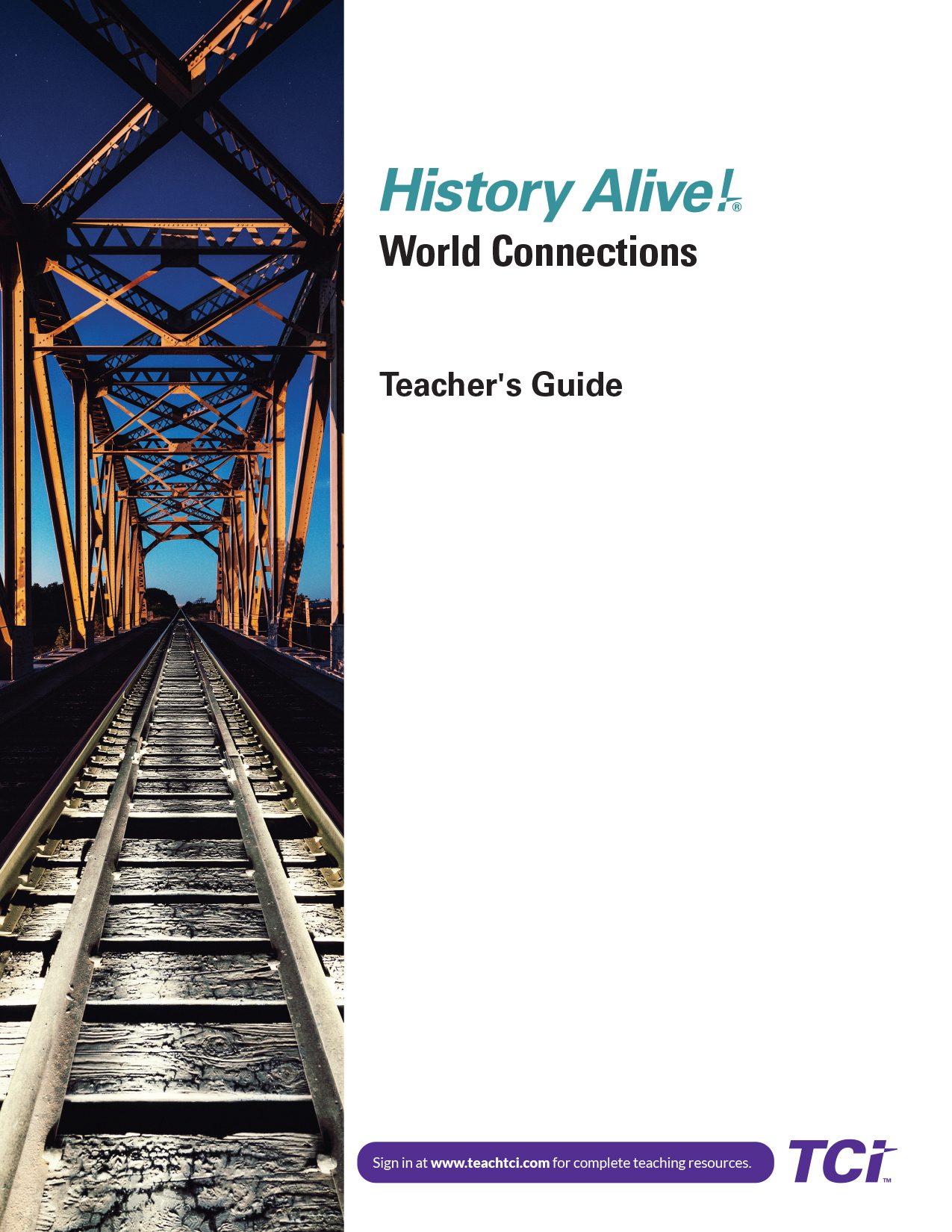
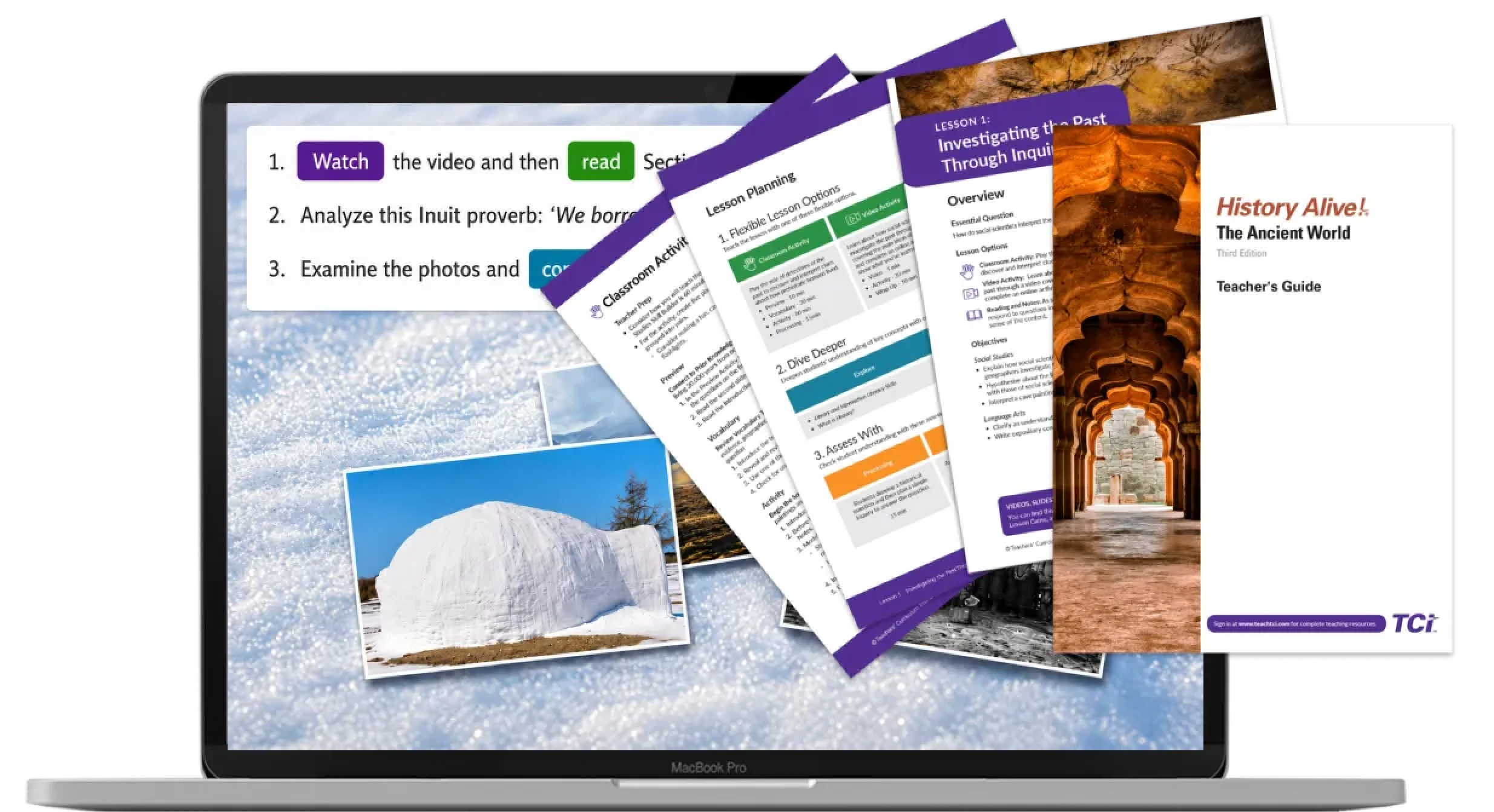
Teacher's Guide supports everything from lesson planning to grading—step-by-step procedures, time estimates, differentiation strategies, and answer keys, ready to use offline or as a quick reference while teaching. Also available in Spanish.
The Placards are laminated, reusable activity resources that engage students in analyzing historical images, graphs, maps, and primary sources. Also available in Spanish.
Whether you're exploring programs, preparing for an adoption, or ready to get a quote — our team is here to help.
Connect with a TCI Expert