 LESSON
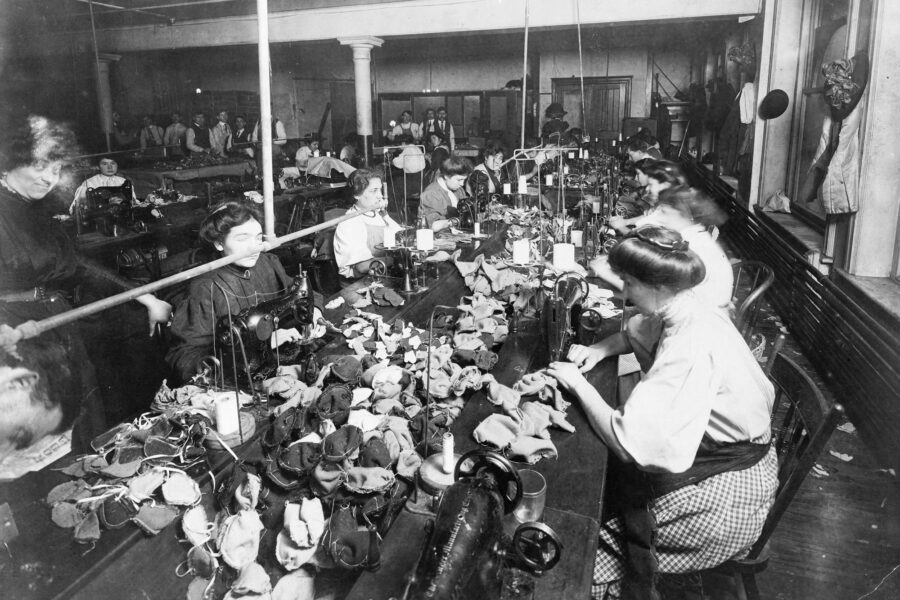
In this lesson, students explore the working conditions of the late 1800s and understand the impact of the era.
Experience the LessonInquiry-based programs where students analyze primary sources, build evidence-based arguments, and take part in rich discussion, in print and digital.
See the Social Studies overviewSee how TCI engages all learners and provides comprehensive teach support to Bring Learning Alive! in K-12 classrooms.

Active learning, teacher-ready lessons, and a high-quality curriculum have always been at the heart of TCI. The new programs are sharper, more consistent, and built as a true K-12 system.
Bring Science Alive! is phenomena-driven and NGSS-aligned. Every unit opens on an anchoring phenomenon, then students investigate it the way scientists do.
See the Science overview
In this lesson from our Bring Science Alive! Weather and Climate program, students create their own wind, build a balloon barometer, and track atmospheric pressure.
Self-paced courses, live events, and opportunities to connect with or lead other educators — support that continues long after implementation week.

Join Brian Thomas and Loyal Frazier on October 20 at 6 pm ET for practical ways to help students evaluate sources and the growing volume of online and AI-generated information.
Research-backed guidance on the questions districts are actually asking — from HQIM adoption to AI in the classroom.

Michael Washington, a 22-year classroom veteran, sees differentiation as how a lesson itself, built through active learning strategies, can reach every student in the room at once.
Built by teachers, for teachers.
Bringing Learning Alive! since 1989.

Megan Forbes is in her 15th year of teaching, and the program bends to how she wants to teach that day. Some days, that's the textbook and interactive notebook. Other days it's a Video Activity.

From colonial America to the Industrial Revolution, students analyze primary sources and debate pivotal decisions, tracing how the young nation's choices shaped the country it was becoming.
Not part of the all states program list
Choose a different state above, or browse every program in Middle School
History starts with method: what history is, how it is studied, and the key themes that run through the U.S. past. A Geography Challenge, an Inquiry Project, and source and timeline work round out the unit.
America before and after colonization begins with how Indigenous groups adapted to their environments, then turns to how Europeans colonized the Americas. Students compare the English colonies for similarities and differences, and look at what life in them was really like.
Revolution in the colonies asks why there was an American Revolution at all. Students examine the principles of government expressed in the Declaration of Independence, then how the Continental army managed to win a war for independence from Great Britain.
Forming a new nation centers on the compromises that emerged from the Constitutional Convention. Students study how the Constitution created "a more perfect Union" and what freedoms the Bill of Rights protects, including why those freedoms matter.
The new republic opens with the differing Federalist and Democratic-Republican visions for the United States. Students weigh how involved the country should have become in world affairs, what it meant to be an American in the early 1800s, and Andrew Jackson's impact on democracy.
An expanding nation takes up Manifest Destiny and how justifiable U.S. expansion in the 1800s was. Students study the motives, hardships, and legacies of the groups who moved west, and how Mexicano contributions have influenced life in the United States.
Americans in the mid-1800s weighs how much the era's reform movements improved life for Americans. Students compare life in the North with life in the South, and study how African Americans faced enslavement and discrimination in the mid-1800s.
The Union challenged sorts the events of the mid-1800s into those that held the nation together and those that pulled it apart. Students then examine the factors and events that influenced the outcome of the Civil War, and the Reconstruction era that followed.
Migration and industry looks at how settlers changed the West and affected Indigenous groups and their way of life. Students weigh whether the benefits of industrialization outweigh the costs, and study what life was like for immigrants in the early 1900s.
A modern nation emerges with the Progressive Era and how progressives improved life in the United States. Students then consider U.S. actions in world affairs around the turn of the 20th century, and which changes since 1914 have shaped life today.
LESSON
In this lesson, students explore the working conditions of the late 1800s and understand the impact of the era.
Experience the LessonSee every unit and lesson at a glance.
See exactly how the program aligns to your state standards.
Request access to digital samples of the student and teacher materials.
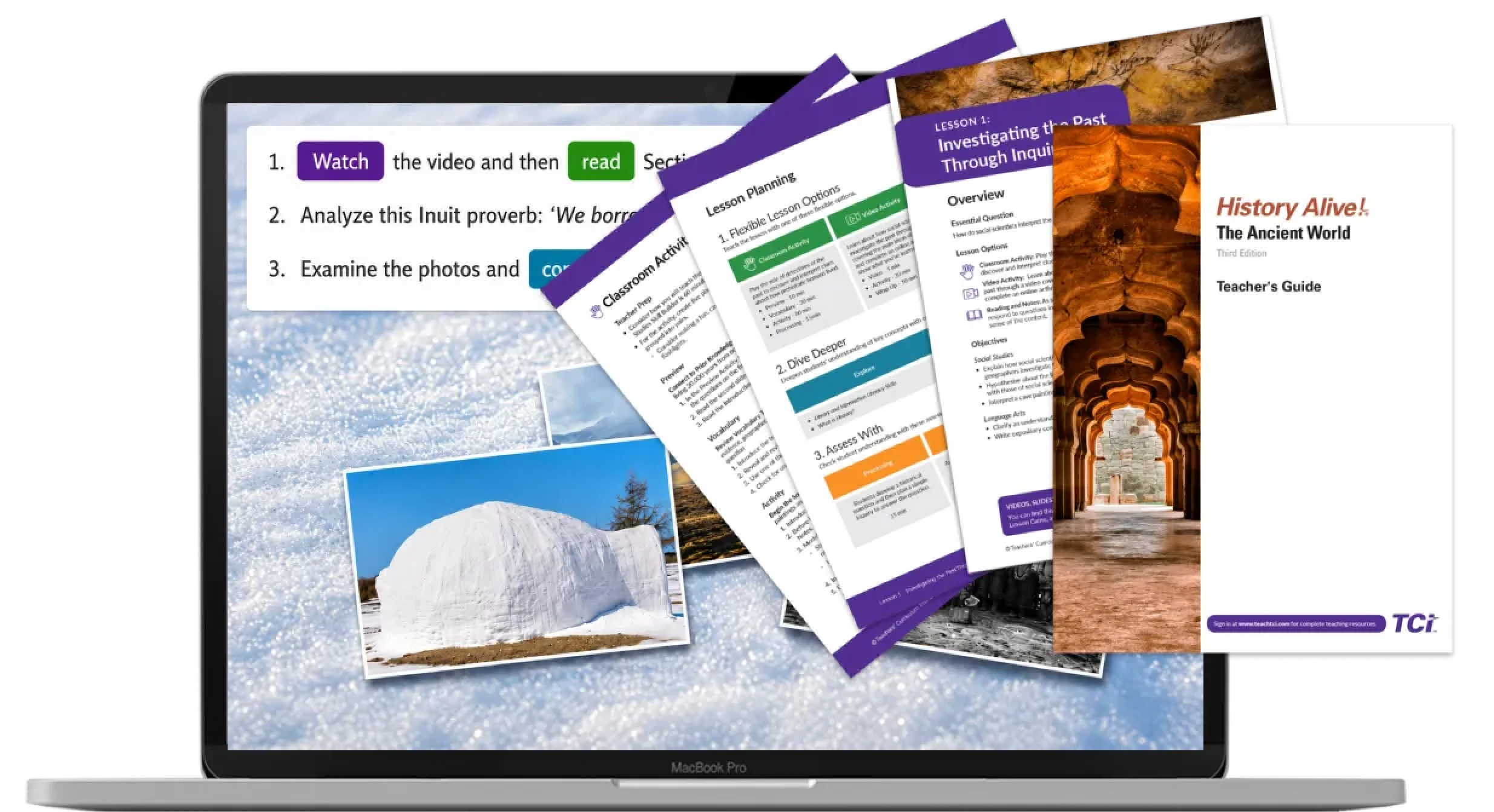
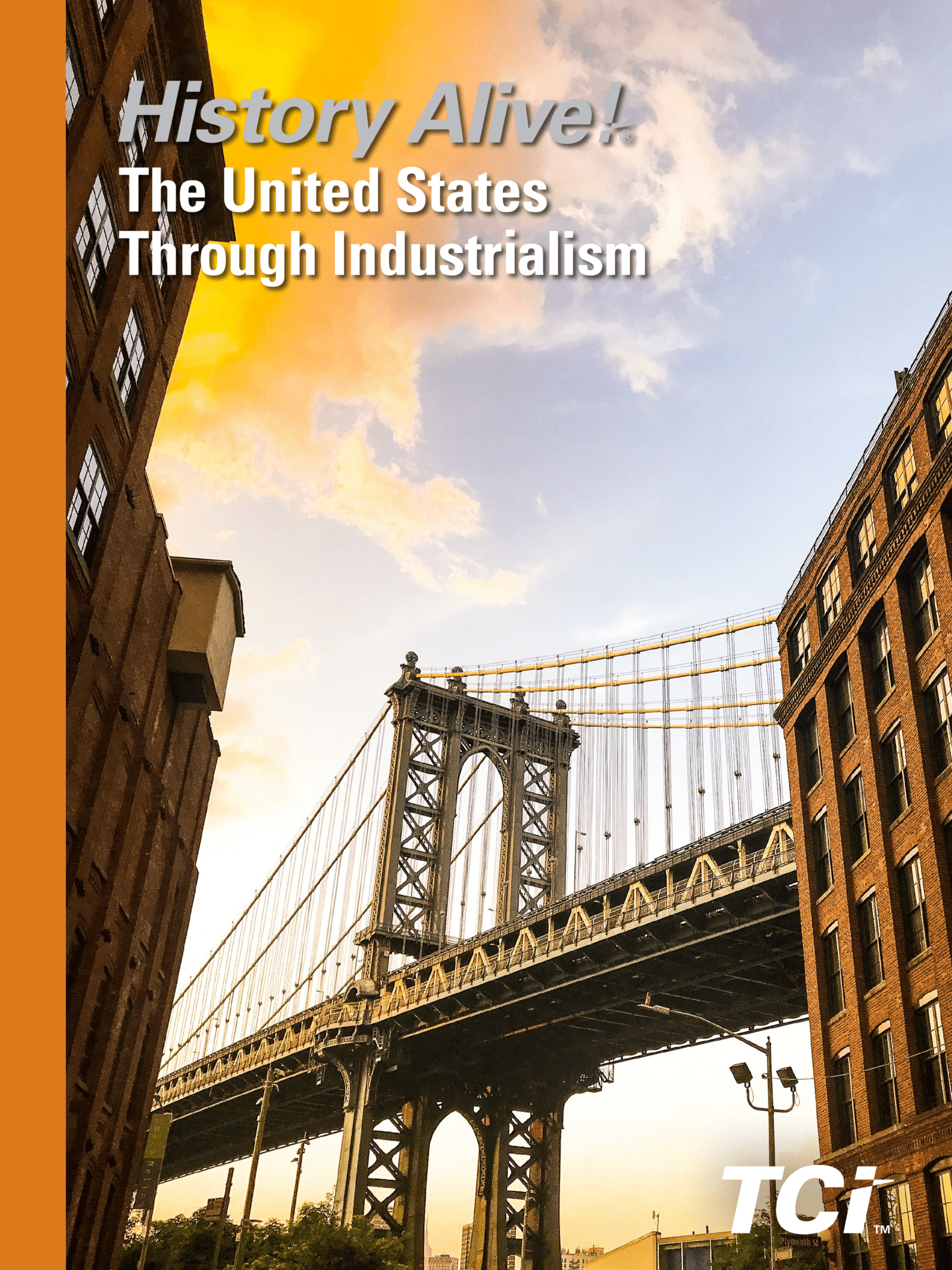
The Student Edition provides a rich knowledge base in history, with mindfully chosen images that support the text and captions that incorporate main ideas. The standards-based text guides students through their learning with clear content organization and a detailed, unifying narrative. Also available in Spanish.
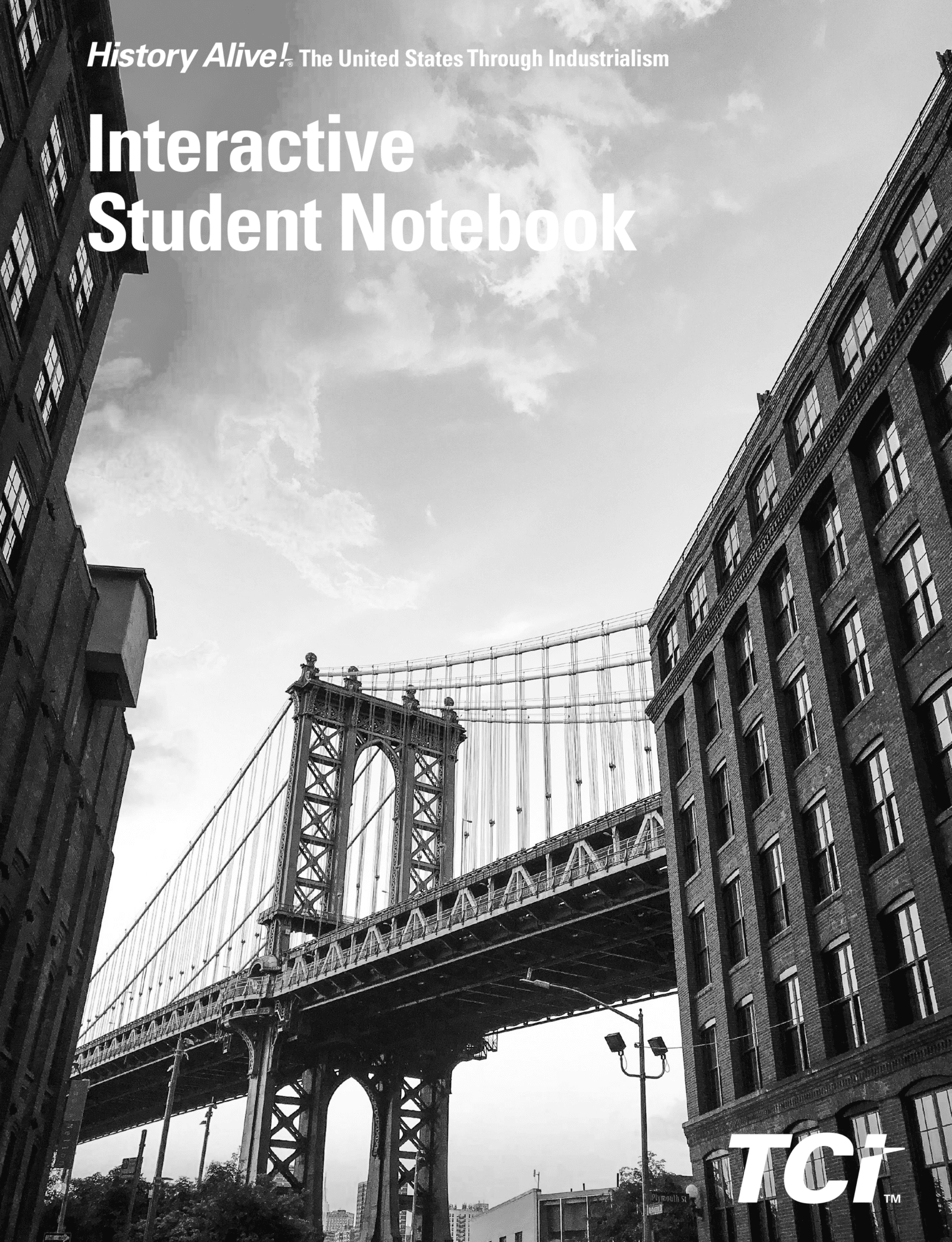
The consumable Interactive Student Notebooks allow students to engage with their learning by expressing their ideas, completing graphically organized notes, and developing personalized responses. Also available in Spanish.
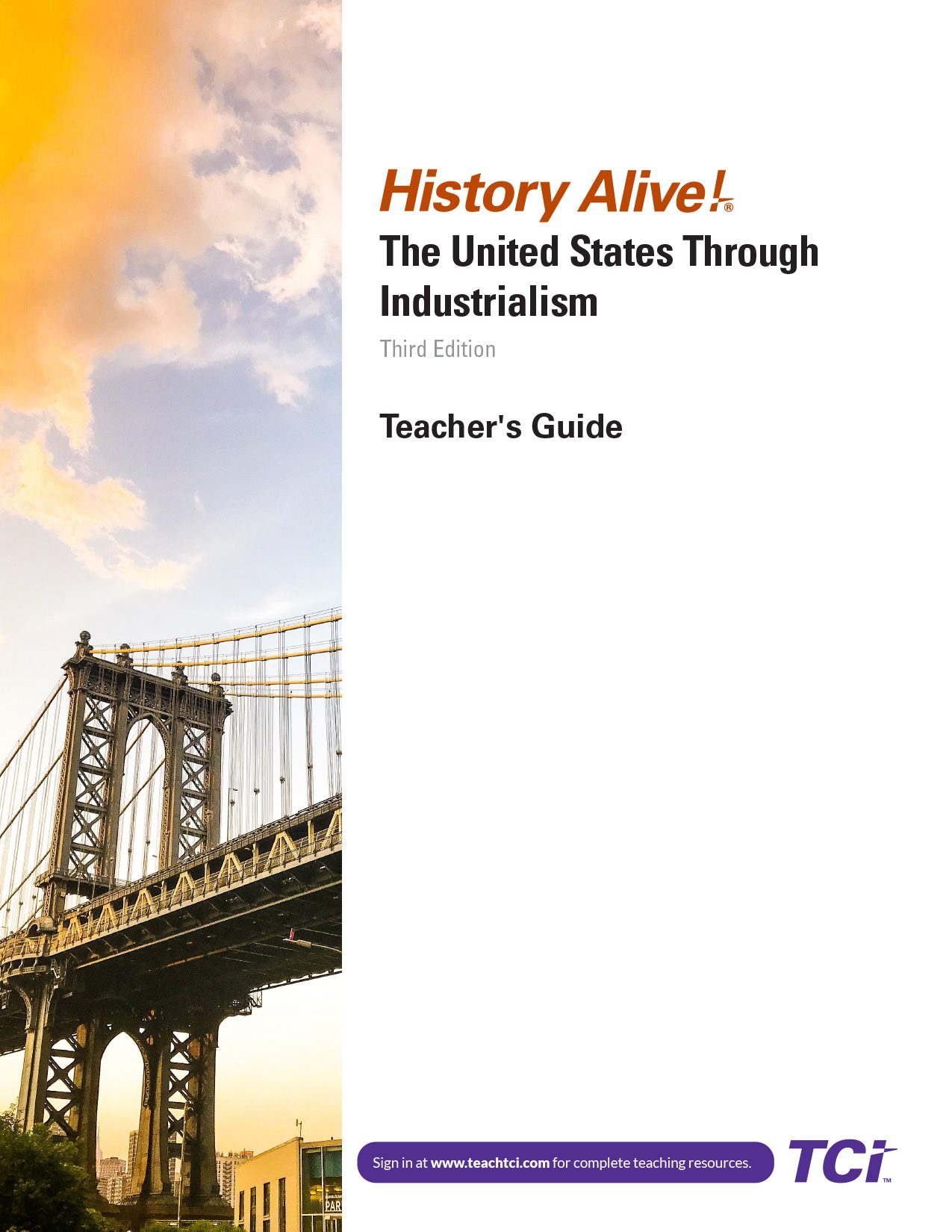
Teacher's Guide supports everything from lesson planning to grading — step-by-step procedures, time estimates, differentiation strategies, and answer keys, ready to use offline or as a quick reference while teaching. Also available in Spanish.
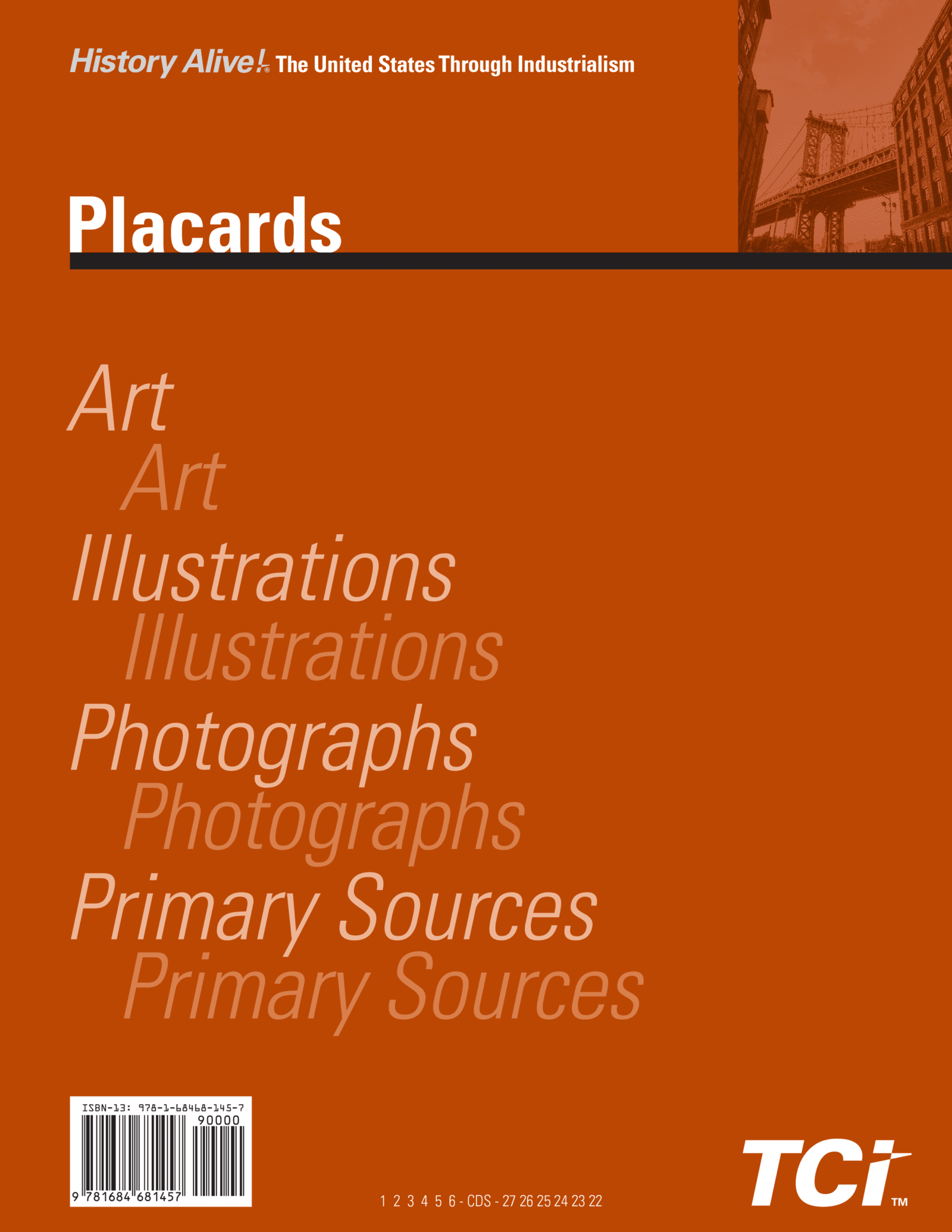
The Placards are laminated, reusable activity resources that engage students in analyzing historical images, graphs, maps, and primary sources. Also available in Spanish.
Whether you're exploring programs, preparing for an adoption, or ready to get a quote — our team is here to help.
Connect with a TCI Expert