 LESSON
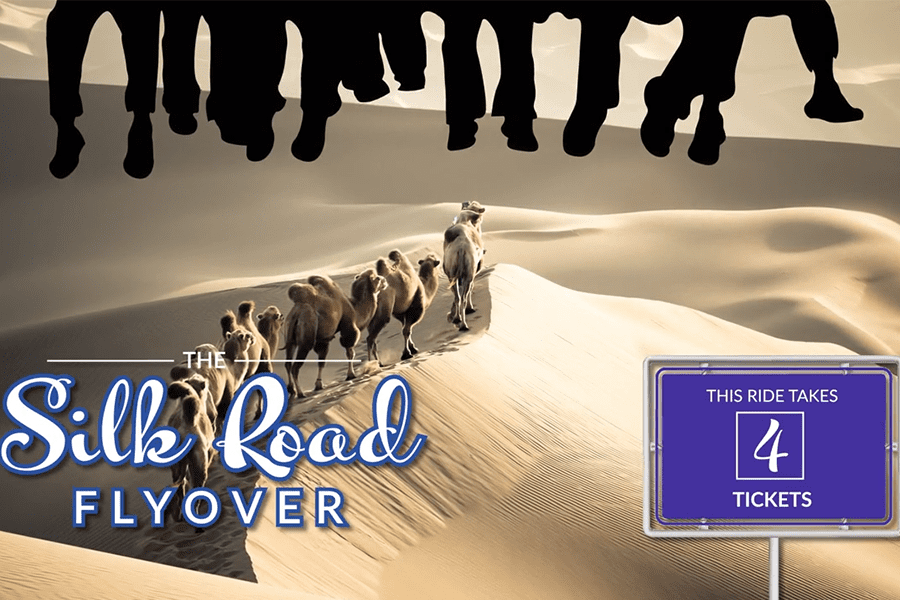
In this lesson, students explore the Silk Road through engaging activities.
Experience the LessonInquiry-based programs where students analyze primary sources, build evidence-based arguments, and take part in rich discussion, in print and digital.
See the Social Studies overviewSee how TCI engages all learners and provides comprehensive teach support to Bring Learning Alive! in K-12 classrooms.

Active learning, teacher-ready lessons, and a high-quality curriculum have always been at the heart of TCI. The new programs are sharper, more consistent, and built as a true K-12 system.
Bring Science Alive! is phenomena-driven and NGSS-aligned. Every unit opens on an anchoring phenomenon, then students investigate it the way scientists do.
See the Science overview
In this lesson from our Bring Science Alive! Weather and Climate program, students create their own wind, build a balloon barometer, and track atmospheric pressure.
Self-paced courses, live events, and opportunities to connect with or lead other educators — support that continues long after implementation week.

Join Brian Thomas and Loyal Frazier on October 20 at 6 pm ET for practical ways to help students evaluate sources and the growing volume of online and AI-generated information.
Research-backed guidance on the questions districts are actually asking — from HQIM adoption to AI in the classroom.

Michael Washington, a 22-year classroom veteran, sees differentiation as how a lesson itself, built through active learning strategies, can reach every student in the room at once.
Built by teachers, for teachers.
Bringing Learning Alive! since 1989.

Megan Forbes is in her 15th year of teaching, and the program bends to how she wants to teach that day. Some days, that's the textbook and interactive notebook. Other days it's a Video Activity.

Students investigate ancient civilizations by analyzing primary sources and evidence, piecing together how people lived, governed, and traded—and how the ancient world still shapes the present.
Not part of the all states program list
Choose a different state above, or browse every program in Elementary
History starts with method: how social scientists interpret the past and what themes run through world history. Students then look at the capabilities that helped early hominins survive and how farming changed daily life in the Neolithic Age.
Civilization rose first in Mesopotamia, where geographic challenges pushed people toward city-states and historians classify ancient Sumer as a civilization. Students study the achievements of four Mesopotamian empires, what can be known about ancient Persia, and early civilizations in the Americas.
Egypt, Kush, and Canaan are introduced through geography and early settlement. Students examine what the pharaohs accomplished, how social class shaped daily life, how location influenced the history of Kush, and the origins and central teachings of Judaism.
Ancient India opens with how geography affected early settlement and what artifacts reveal about daily life in Mohenjodaro. Lessons also cover the origins and beliefs of Hinduism, the main ideas of Buddhism, Ashoka's unification of the Mauryan Empire, and the Gupta golden age.
Ancient China begins with geography and what Shang artifacts reveal about that civilization. Students study how Confucianism, Daoism, and Legalism influenced political rule, whether the Emperor of Qin was an effective leader, how the Han dynasty improved daily life, and the Silk Road.
Greece's geography shapes settlement and way of life before the unit turns to how democracy developed. Students compare Athens and Sparta, study the Greco-Persian Wars and the golden age of Athens, and examine Alexander's empire and Greece's contributions to the modern world.
Rome's early development draws on Etruscan and Greek influence, followed by the characteristics of the Roman Republic and the shift to empire. Students weigh whether the benefits of expansion outweigh the costs, study daily life and Christianity's spread, and assess Rome's influence today.
LESSON
In this lesson, students explore the Silk Road through engaging activities.
Experience the LessonSee every unit and lesson at a glance.
Get a quick, visual snapshot of the program — key features, components, and what makes learning come alive in the classroom.
See exactly how the program aligns to your state standards.
Request access to digital samples of the student and teacher materials.
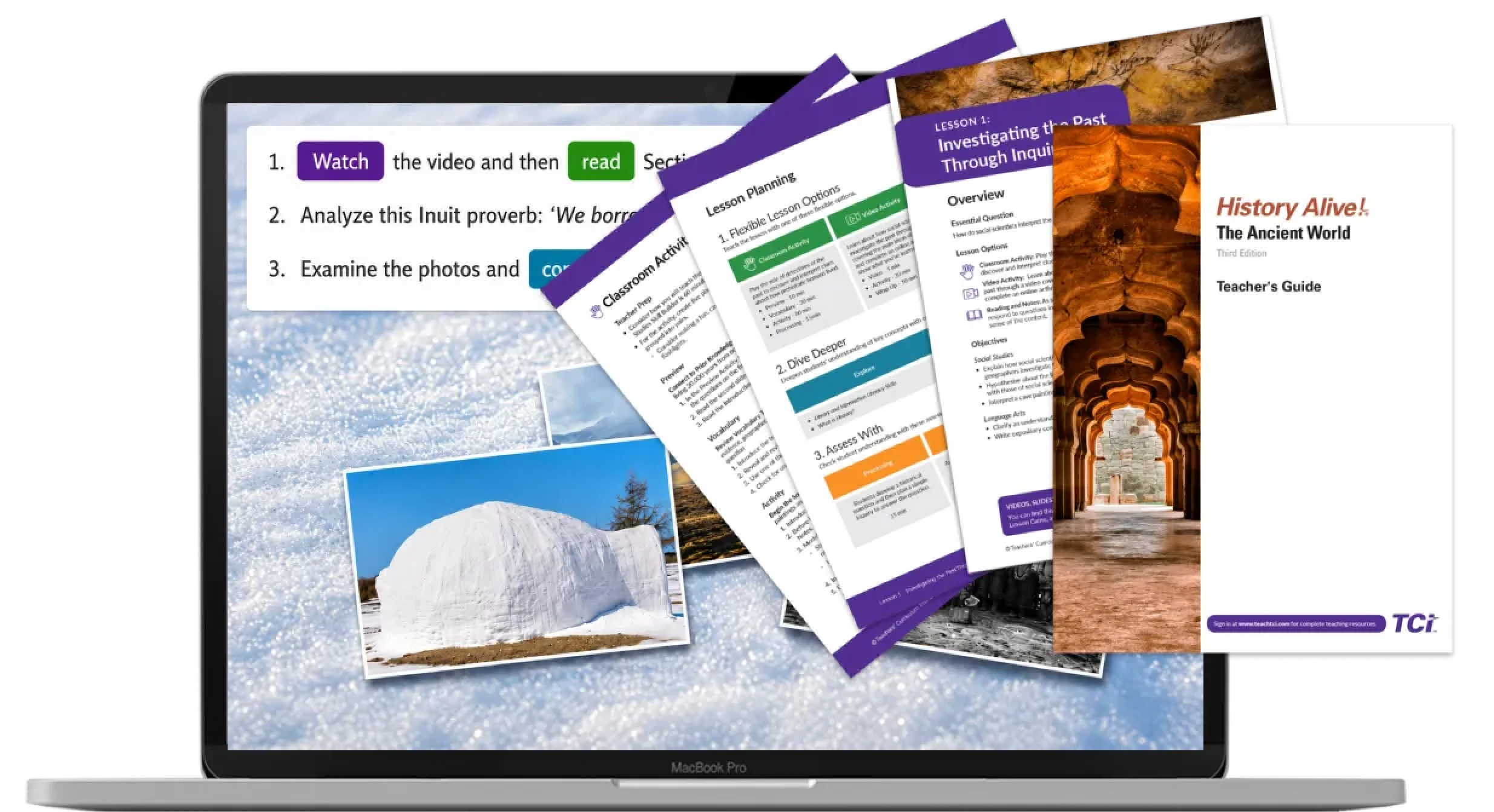
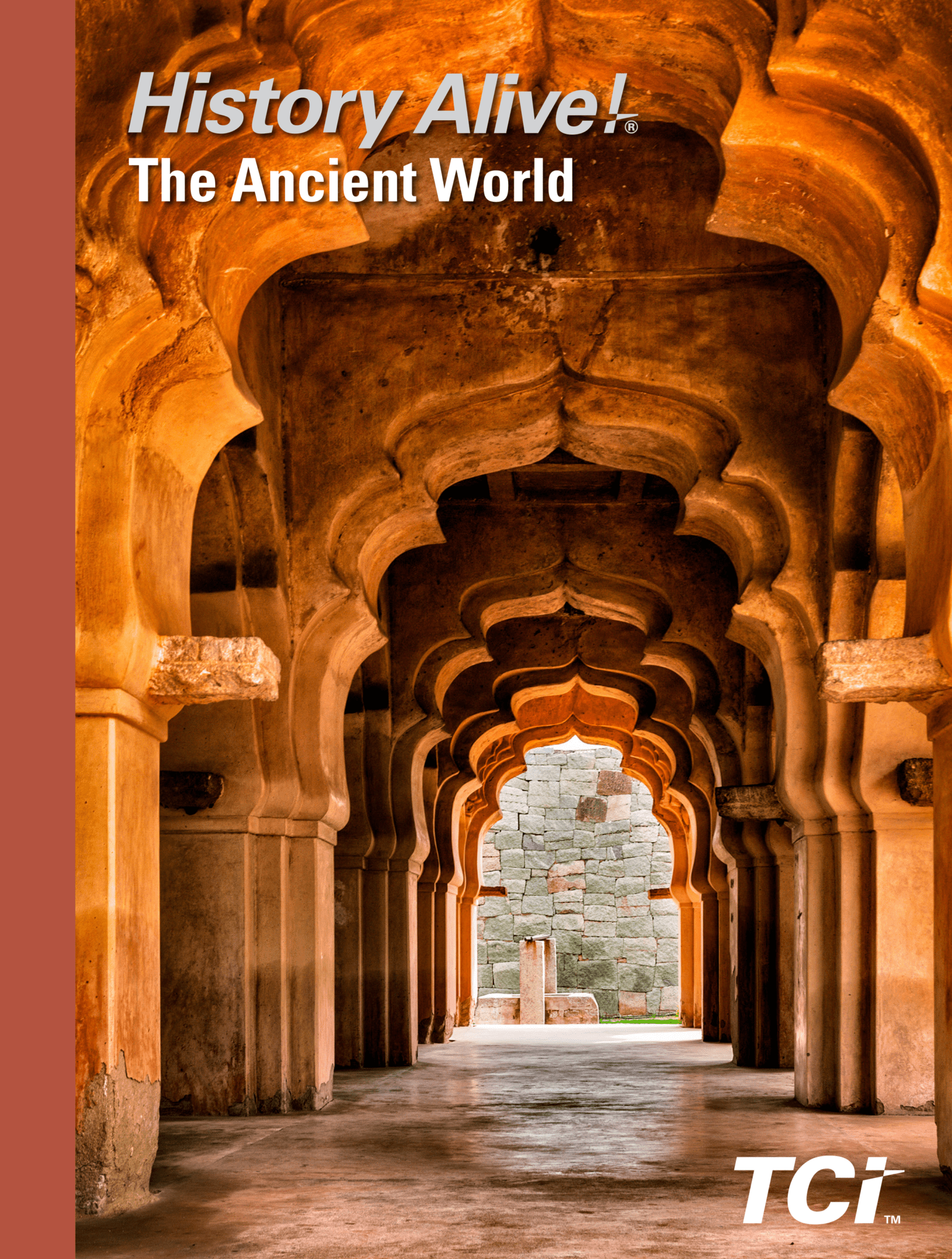
The Student Edition provides a rich knowledge base in history, with mindfully chosen images that support the text and captions that incorporate main ideas. The standards-based text guides students through their learning with clear content organization and a detailed, unifying narrative. Also available in Spanish.
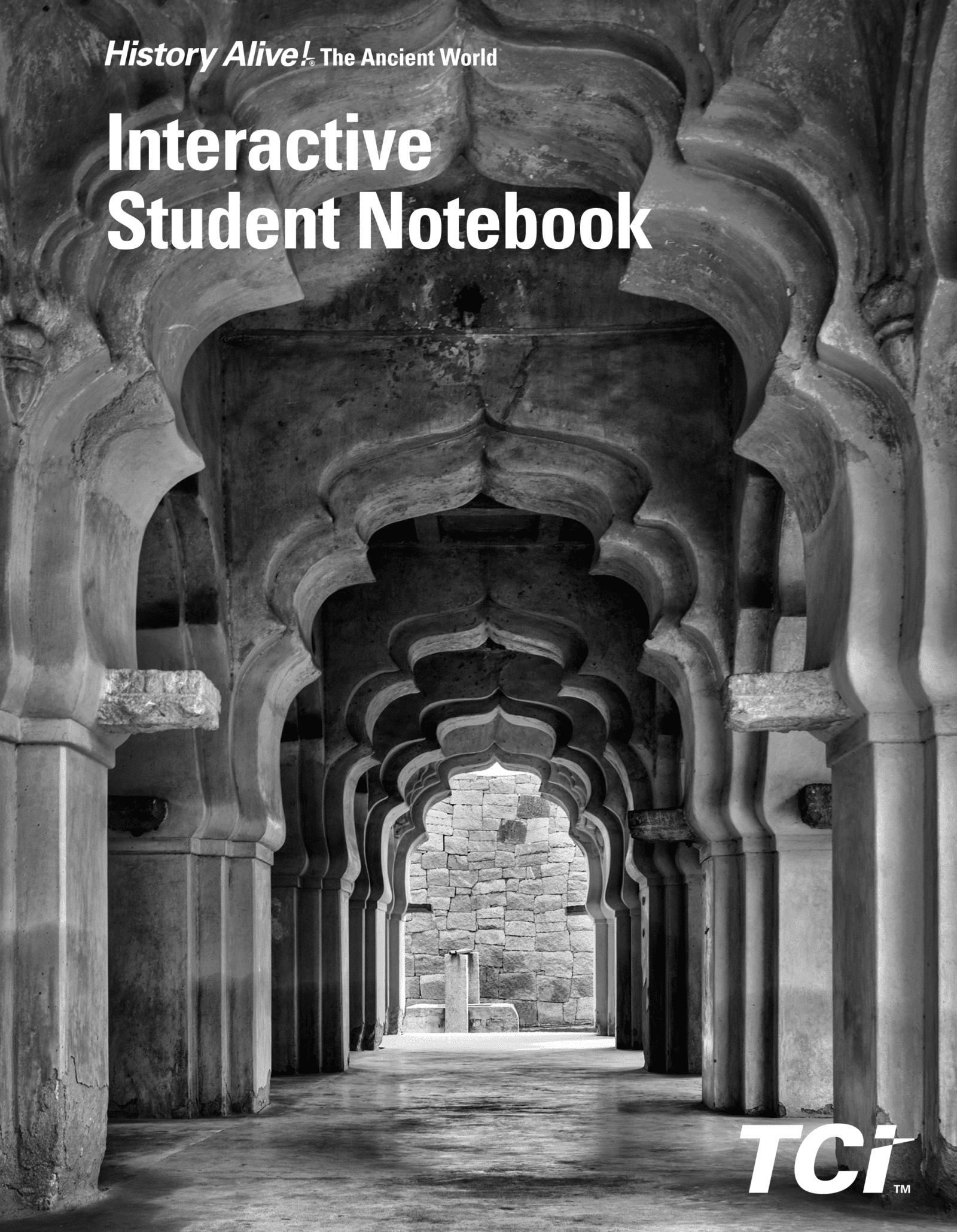
The consumable Interactive Student Notebooks allow students to engage with their learning by expressing their ideas, completing graphically organized notes, and developing personalized responses. Also available in Spanish.
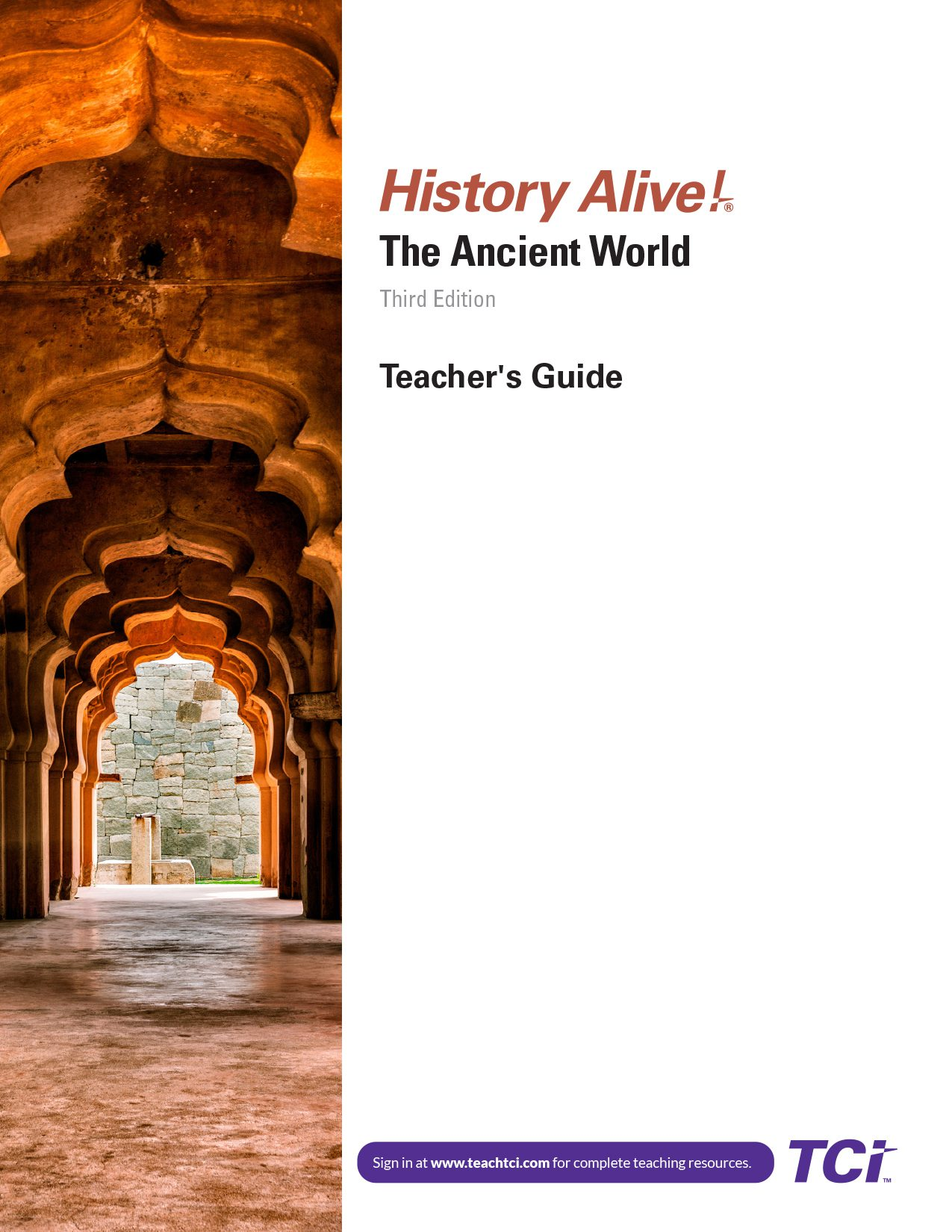
Teacher's Guide supports everything from lesson planning to grading — step-by-step procedures, time estimates, differentiation strategies, and answer keys, ready to use offline or as a quick reference while teaching. Also available in Spanish.
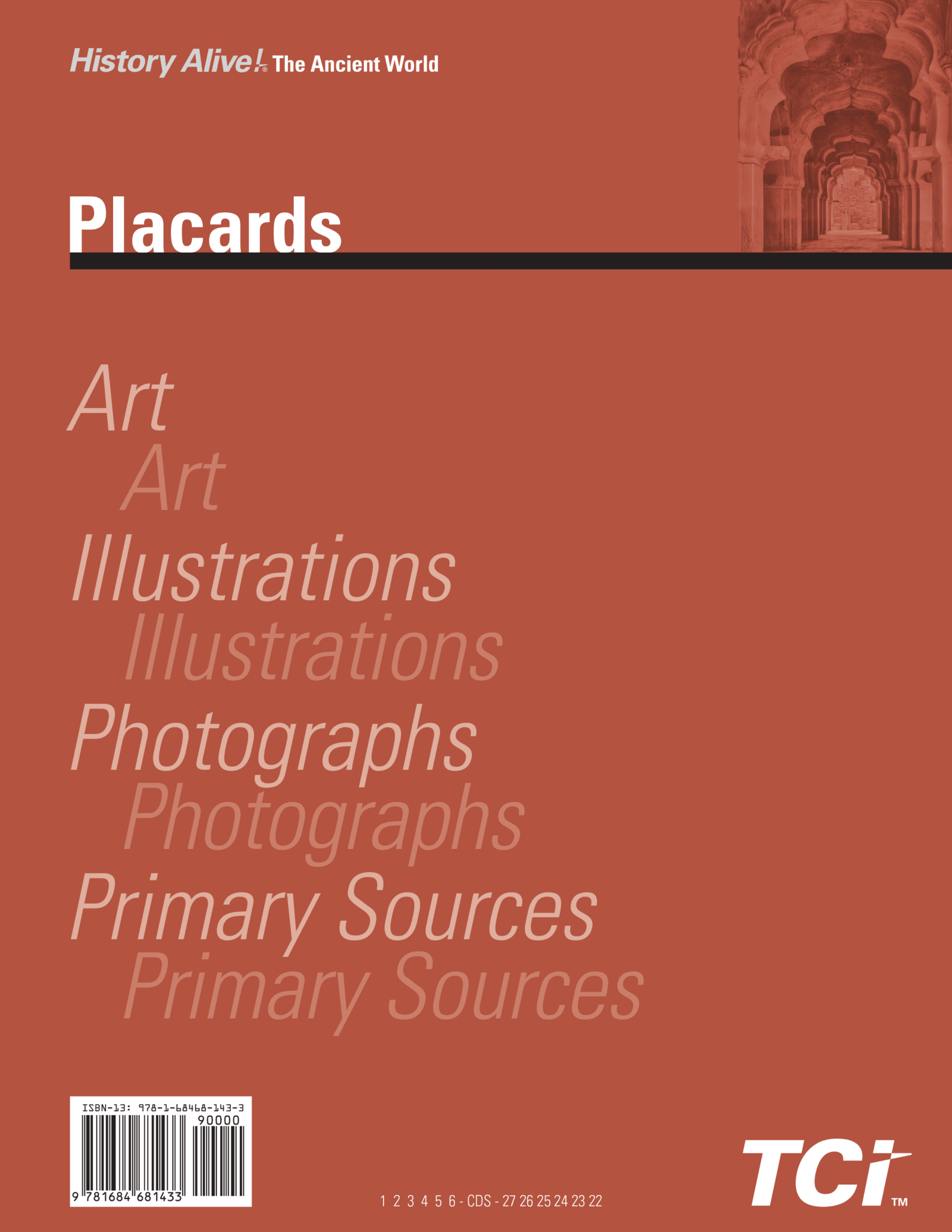
The Placards are laminated, reusable activity resources that engage students in analyzing historical images, graphs, maps, and primary sources. Also available in Spanish.
Whether you're exploring programs, preparing for an adoption, or ready to get a quote — our team is here to help.
Connect with a TCI Expert