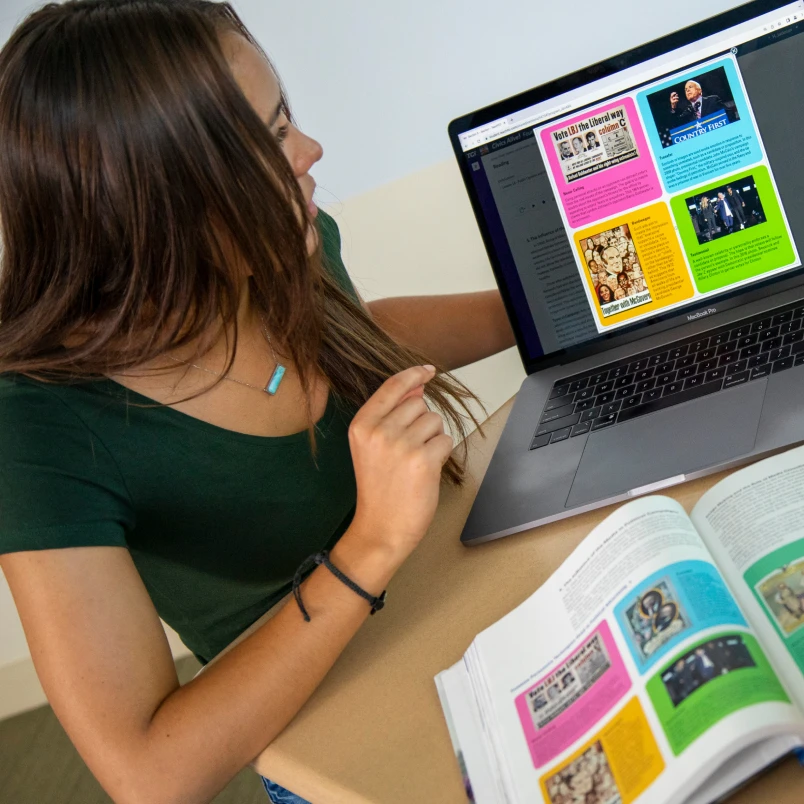
Regions of Our Country (OR Edition)
Oregon is one place in a much bigger country. Students start with their own state, then travel the five regions of the United States to see how Oregon fits into the country around it.
Not part of the all states program list
Choose a different state above, or browse every program in Elementary

What Students Will Explore
Unit 1
Discovering the Social Sciences
Students study the Indigenous people and geography of Oregon, then meet the four core social sciences and how each one helps explain a place. Those tools carry into a first look at the regions of the United States.
Unit 2
The Northeast
Population density explains a lot about how people live, in cities and in rural areas alike. Students look at who lives where in Oregon and why, including how income and opportunity shape those choices, then compare with the Northeast.
Unit 3
The Southeast
Geography shapes where people settle and how they live, and history shapes who gets to share in a place. Students trace settlement patterns and the experience of discrimination in Oregon, then study the Southeast through all four social sciences.
Unit 4
The Midwest
Technology changes what an economy produces, and laws shape who benefits. Students examine how machines reshaped Oregon's farms and factories and how segregation and suffrage laws affected people there, then turn to agricultural change across the Midwest.
Unit 5
The Southwest
Land and water are limited, and people compete over both. Students study conflicts over land in Oregon's past and weigh needs against wants in a budget, then examine competing claims on the Colorado River in the Southwest.
Unit 6
The West
Migration reshapes a place for everyone already living there. Students examine how westward expansion led to Oregon statehood and what it meant for the state's Indigenous people, then look at what has drawn people to the West as a region.
Unit 7
Inquiry: Studying Your State
The final unit stays with the state, covering Oregon's environment, historical maps, economy, and how its constitution compares with the U.S. Constitution and tribal governments. Students pull it together through their own inquiry into geography, history, economy, and government.
Explore the Program
-
View the Scope and Sequence
Implementation Guide
See every unit and lesson at a glance — compelling questions, objectives, and how content builds across History, Geography, Civics, and Economics.
-
Review the Correlations
Review Correlations
See exactly how the program aligns to your state standards, with direct links to the text, activities, and assessments tied to each one.
Request Sample
Request access to digital samples of the student and teacher materials.
One Program. Every Resource You Need.
From an interactive digital platform to hands-on print materials and teacher tools, see everything included to help you teach and your students learn.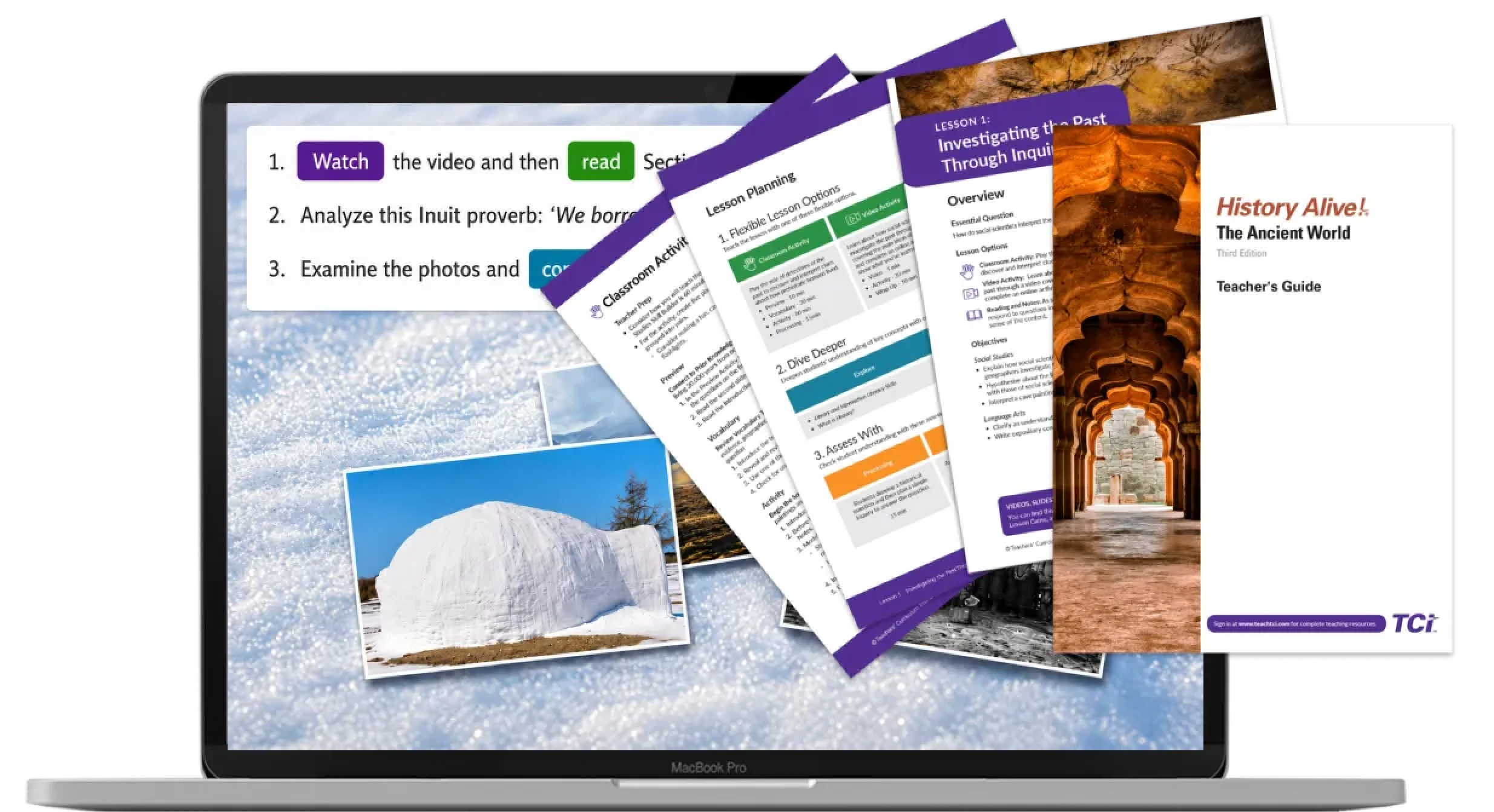
Student Materials
-
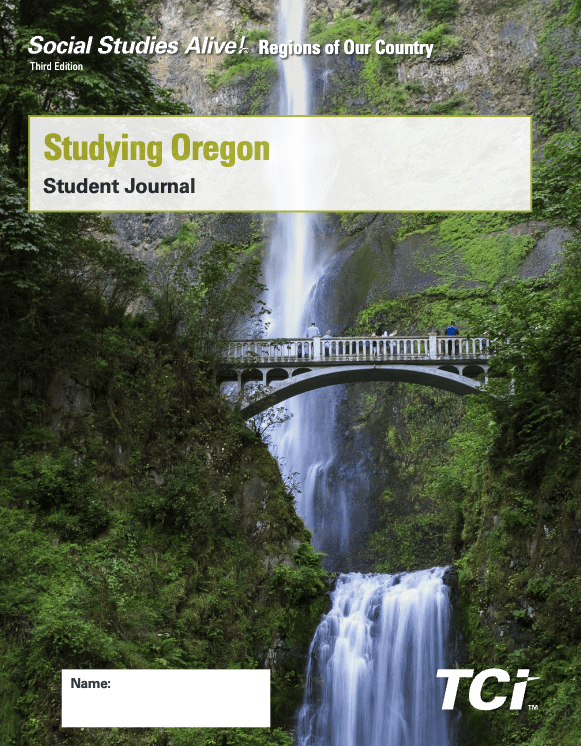
Studying Oregon Student Journal
The Studying Oregon student journal is designed to meet Oregon-specific state standards. Begin with Studying Oregon to explore the state, then use the Regions of Our Country journal and classroom activities to help students make meaningful connections across the country.
-
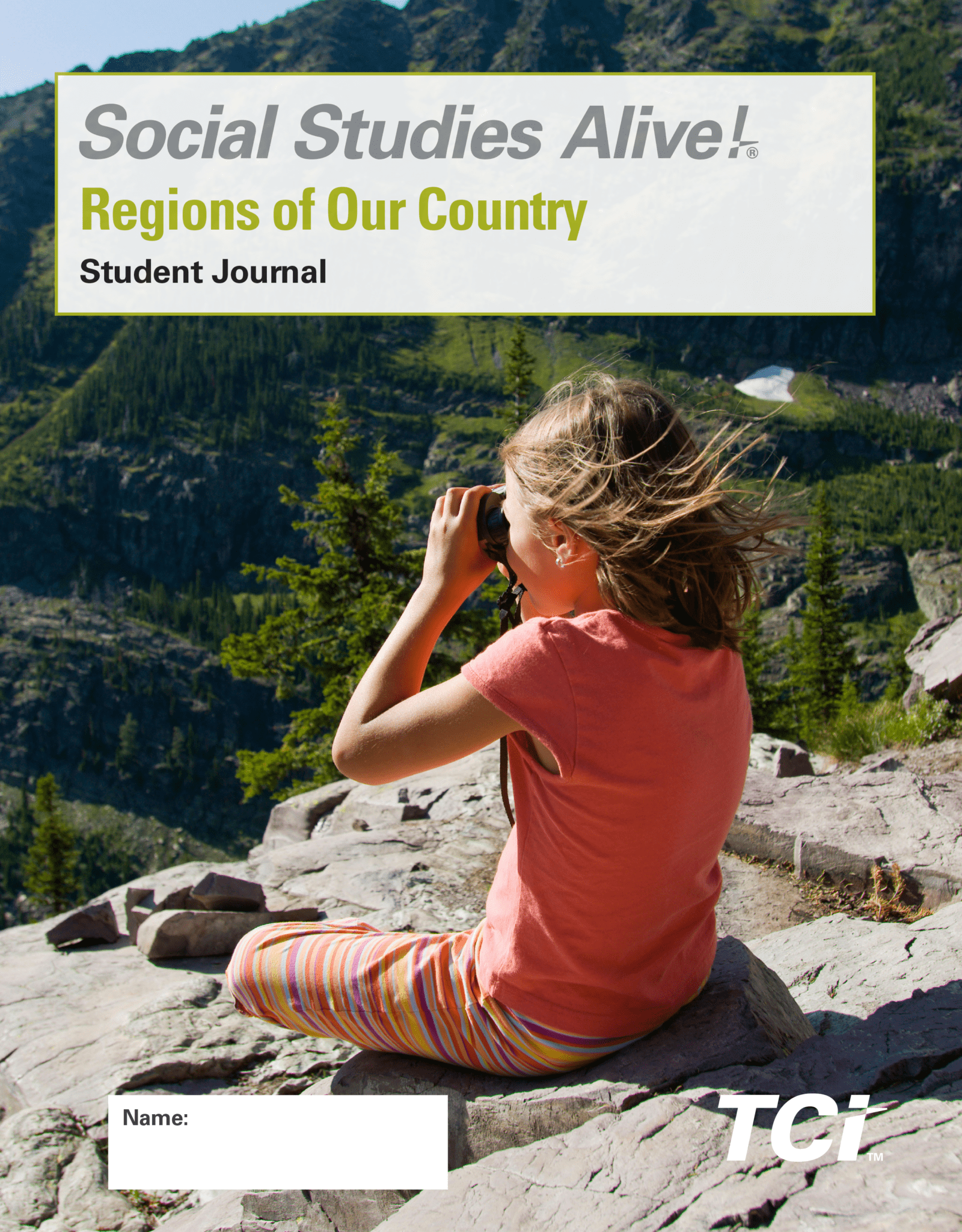
Regions of Our Country Student Journal
The colorful, easy-to-use, print consumable Student Journal combines standards-based content and rich activities to support student learning. Students will make personal connections that allow them to develop a deep understanding of key social studies content while building critical social studies and ELA skills. Also available in Spanish.
-
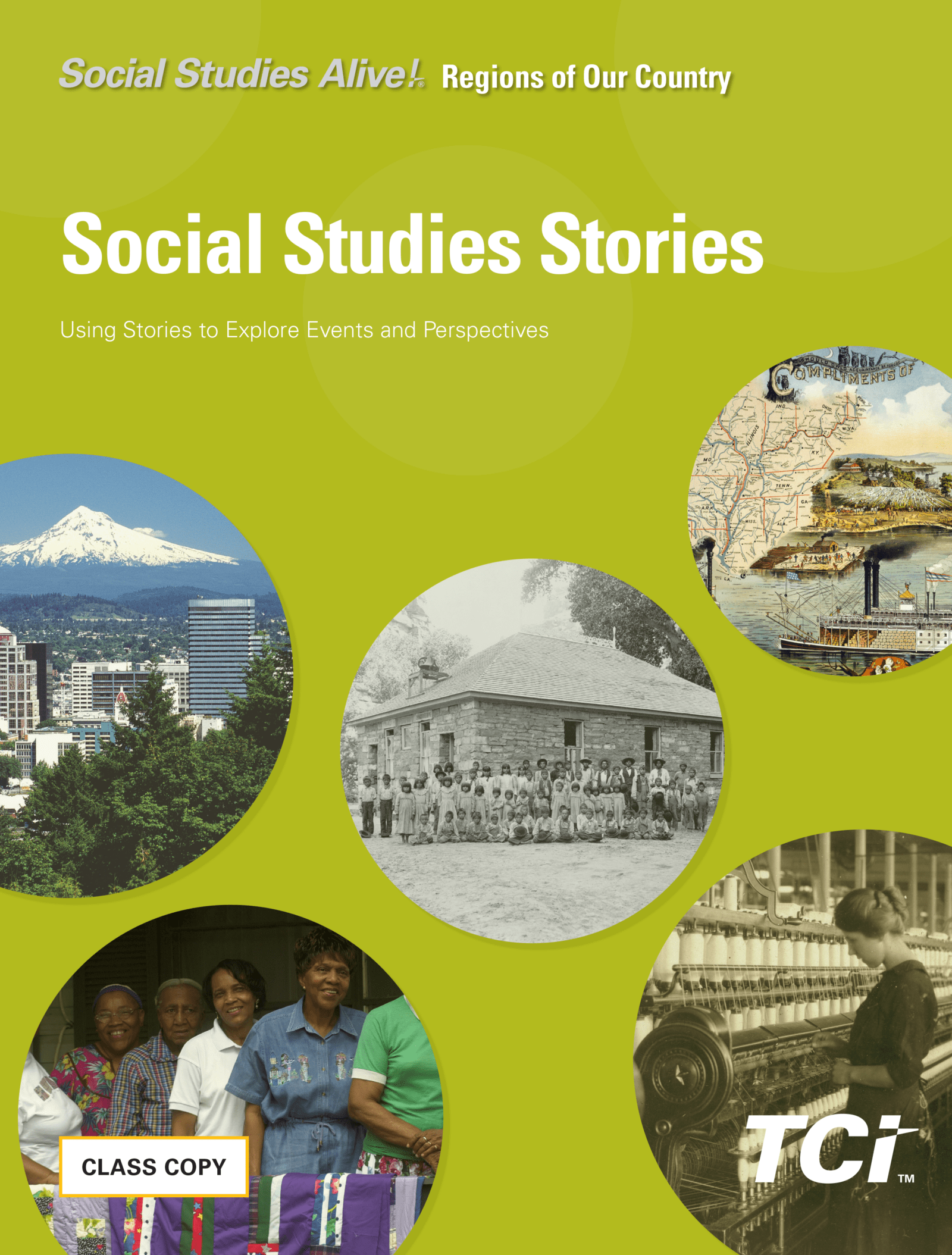
Social Studies Stories
The Social Studies Stories collection contains short, high-interest readings from four different disciplines—Geography, History, Economics, and Civics—to further engage and deepen students' understanding of content. Each reading also comes with an online ELA activity that can be done independently, as group work, or together as a class.
Teacher Materials
-
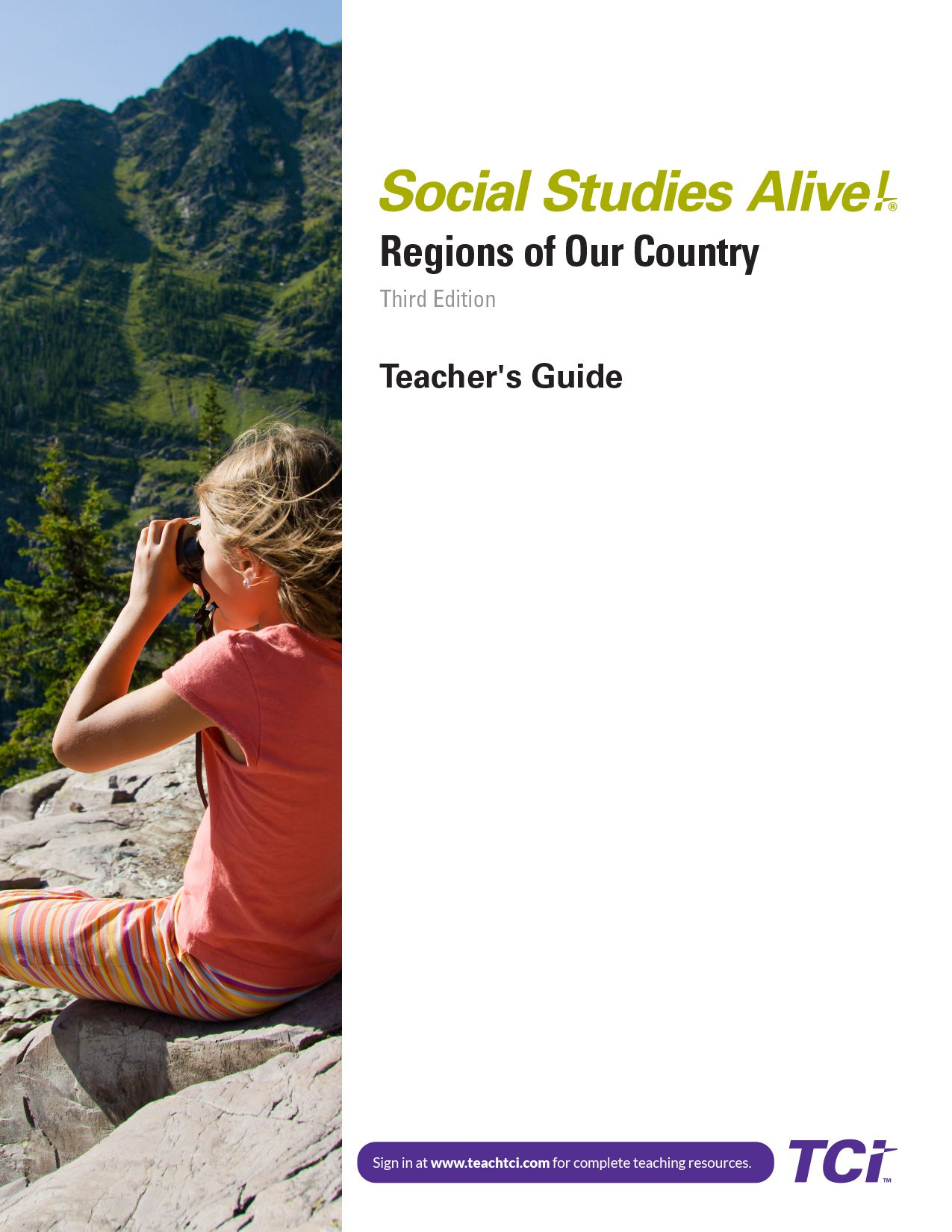
Teacher's Guide
Teacher's Guide supports everything from lesson planning to grading—step-by-step procedures, time estimates, differentiation strategies, and answer keys, ready to use offline or as a quick reference while teaching.
-
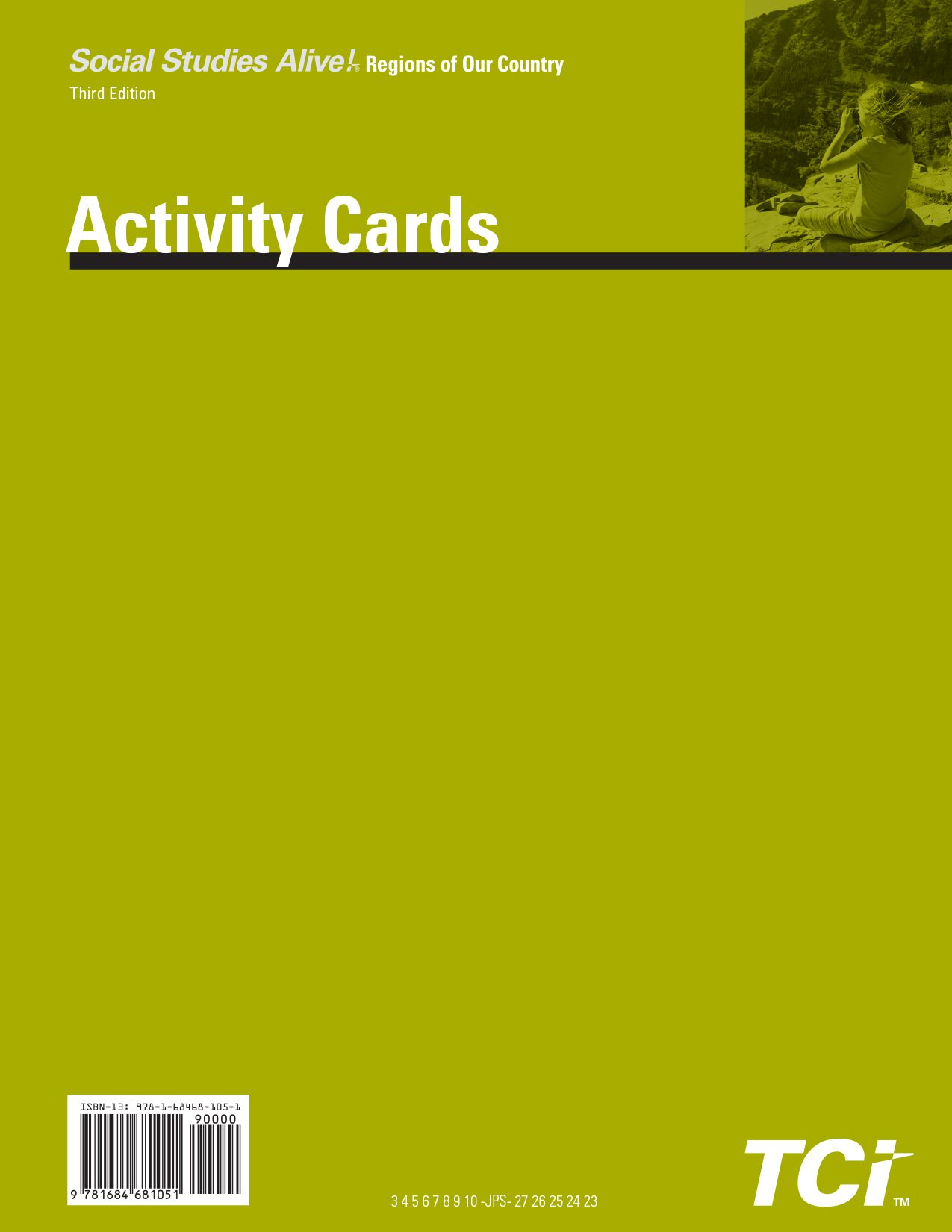
Activity Cards
The Activity Cards are laminated, reusable cards that contain vibrant, interactive content for students. The cards include large maps, game boards, and manipulatives that can be cut out and be reused year after year. Also available in Spanish.

Ready to Bring TCI to Your District?
Whether you're exploring programs, preparing for an adoption, or ready to get a quote — our team is here to help.
Connect with a TCI Expert