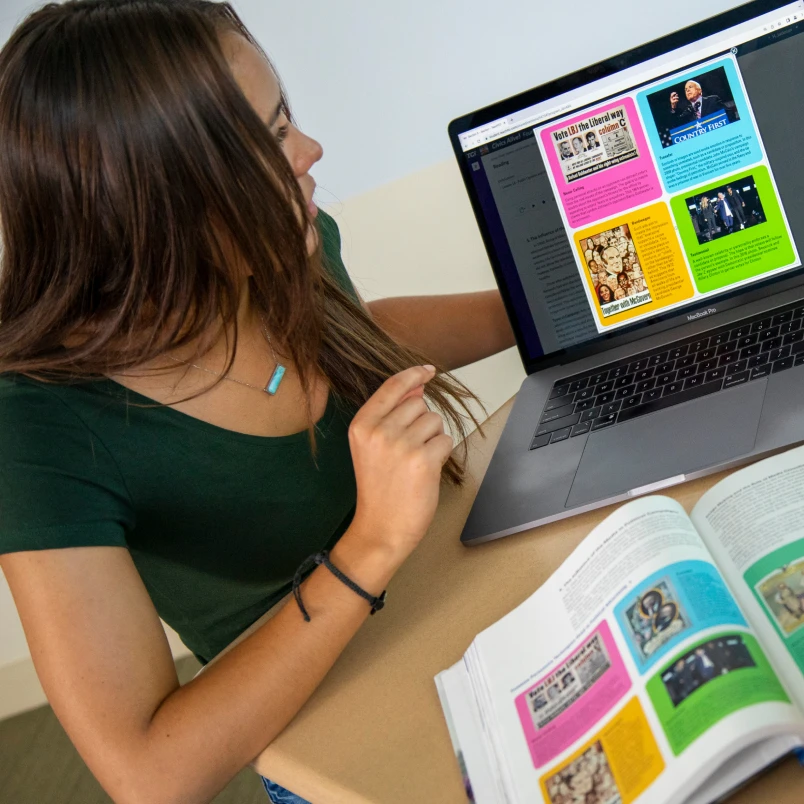
California's Promise
A state this big holds a lot of history. Students step into California's four natural regions and follow the state's development through missions, gold, railroads, and water to the industries and cities they know today.
Not part of the all states program list
Choose a different state above, or browse every program in Elementary

What Students Will Explore
Unit 1
Physical and Human Characteristics That Define California
California's landscape opens the program with the state's four natural regions and the geographic features that set it apart. Students use maps to locate cities and notable places across the state.
Unit 2
Pre-Columbian Settlements and People
California's Native peoples are the focus here, with students meeting the California Indians who lived in different parts of the state. Students examine their daily activities, their shelters, the foods they eat, and how they adapt to the state's varied geography.
Unit 3
European Exploration and Colonial History
European exploration comes next, covering which countries first explored the California coast and why they came. Students consider the challenges those explorers faced and why some of them chose to settle.
Unit 4
Missions, Ranchos, and the Mexican War for Independence
Missions and ranchos anchor this unit, starting with the goals of the Spanish missionaries and daily life at the missions for both priests and California Indians. Students also explore the cattle ranches of Mexican California and the signs of Mexican influence today.
Unit 5
The Gold Rush and Statehood
Statehood and the Gold Rush cover the changes that came to California in the mid-1800s and the events that pushed it to join the United States. Students follow the gold miners who poured into new towns and gold fields after 1848.
Unit 6
California as an Agricultural and Industrial Power
California's growth began with the railroad, built across the Great Plains and the Sierra Nevada by Irish and Chinese workers. Students compare the immigrant groups who arrived after 1850 and study the systems that bring water to farms and cities.
Unit 7
California in a Time of Expansion
The 1930s and 1940s brought hard times and major world events to California. Students discover how Californians survived when the country struggled, and what changes those years brought to the state.
Unit 8
California in the Postwar Era: Immigration, Technology, and Cities
Postwar California closes the program with the film stars, writers, and architects who helped make the state a leader in the arts, and the education system that grew with it. Students tour industries, compare levels of government, and weigh the challenges facing a growing state.
Explore the Program
-
View the Scope and Sequence
View the Scope and Sequence
See every unit and lesson at a glance — compelling questions, objectives, and how content builds across History, Geography, Civics, and Economics.
-
Review the Correlations
Review Correlations
See exactly how the program aligns to your state standards, with direct links to the text, activities, and assessments tied to each one.
Request Sample
Request access to digital samples of the student and teacher materials.
One Program. Every Resource You Need.
From an interactive digital platform to hands-on print materials and teacher tools, see everything included to help you teach and your students learn.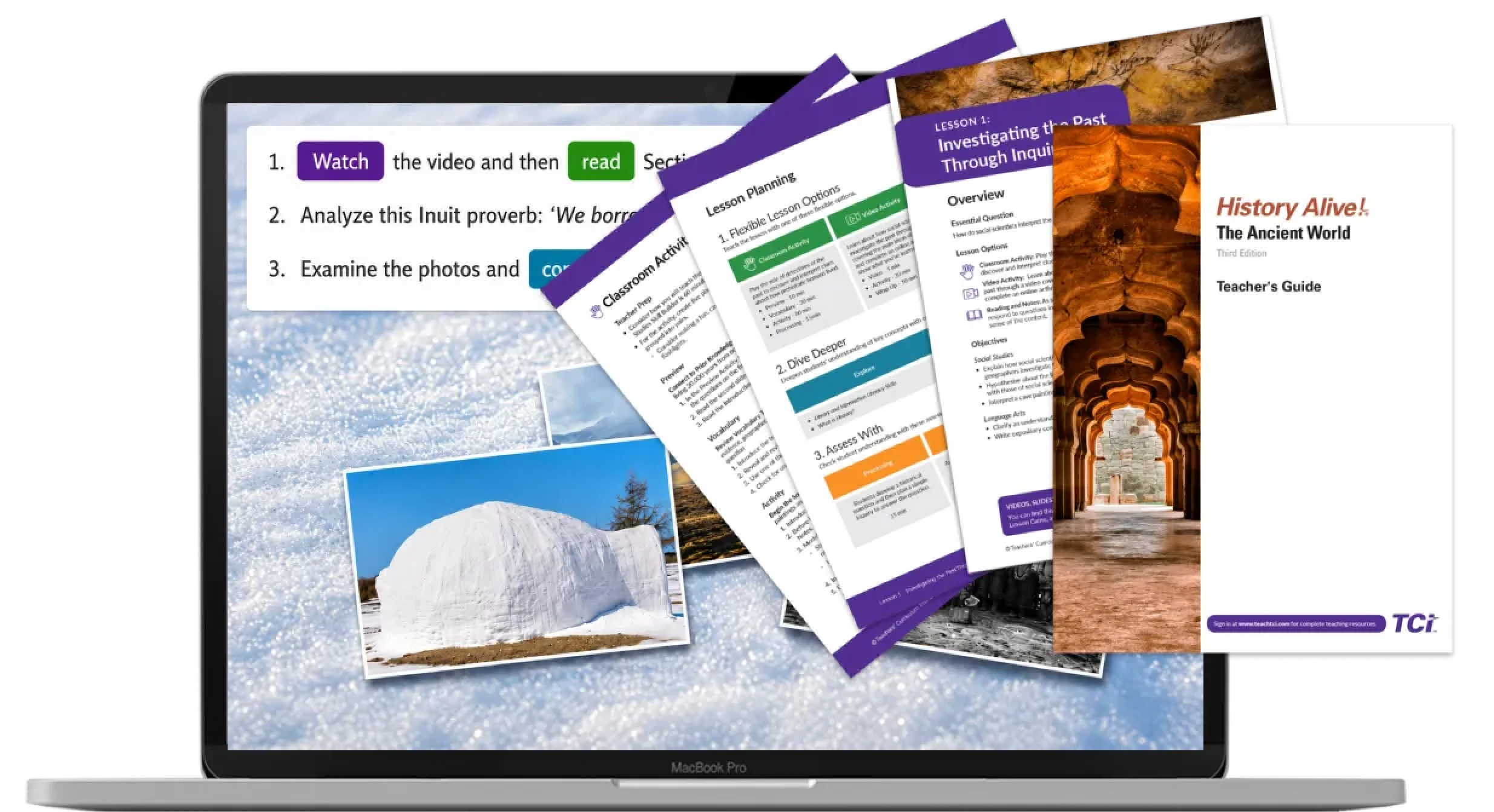
Student Materials
-
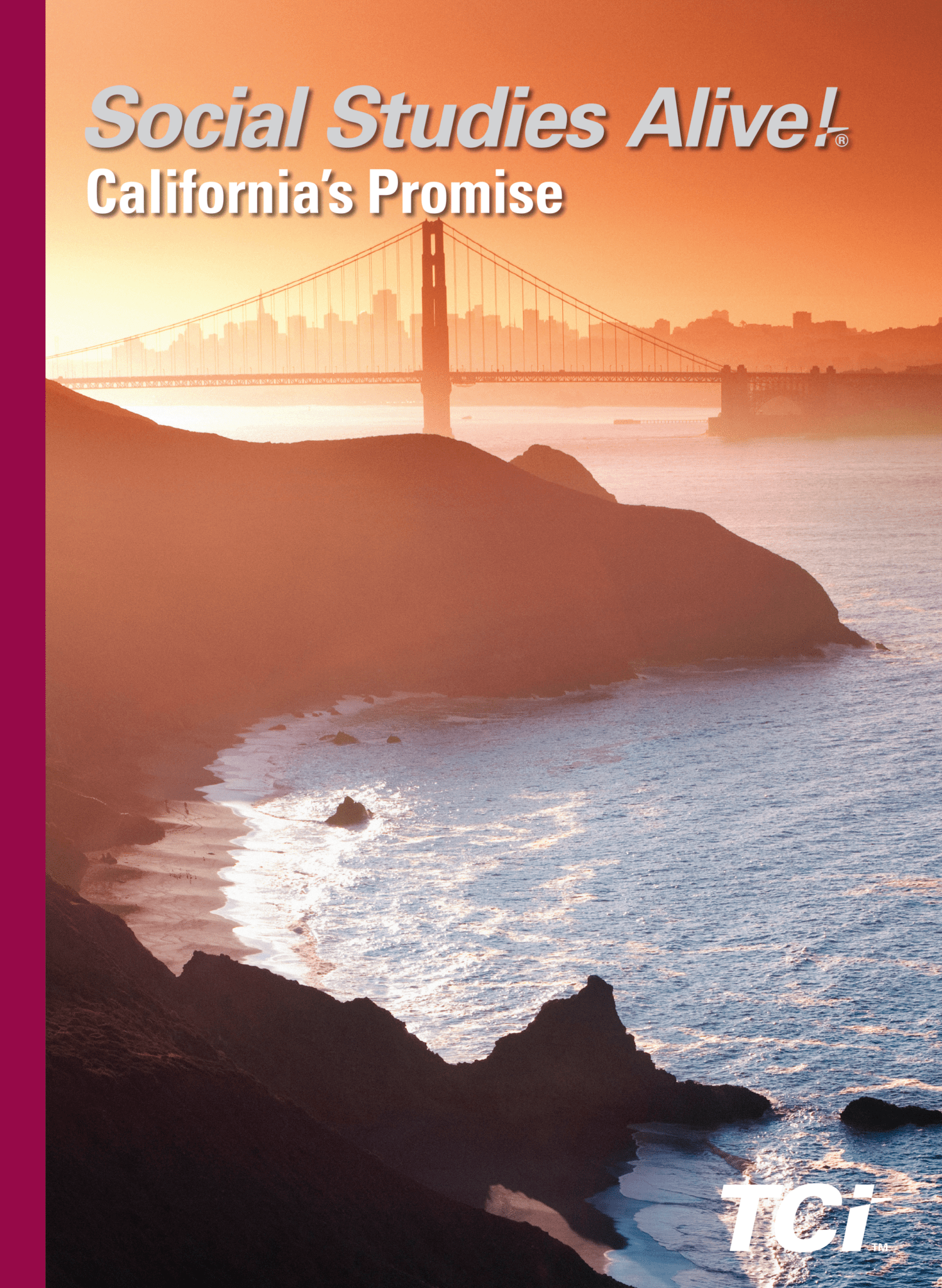
Student Edition
The Student Edition delivers standards-based content, rich primary sources, and stories that bring in multiple perspectives in a colorful, clean format that helps students build a deep understanding of the content. Also available in Spanish.
-
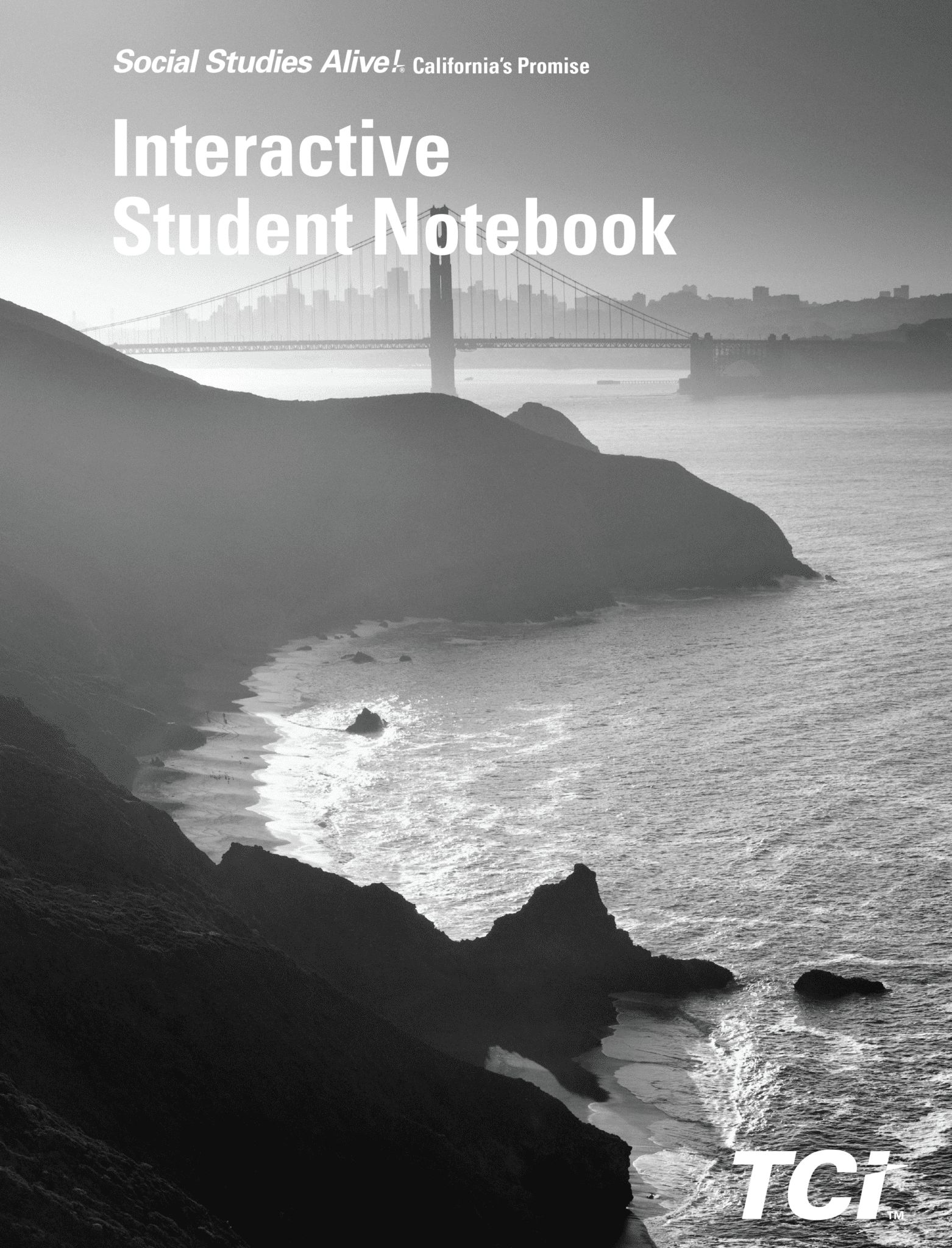
Interactive Student Notebook
The consumable Interactive Student Notebooks allow students to engage with their learning by expressing their ideas, completing graphically organized notes, and developing personalized responses. Also available in Spanish.
Teacher Materials
-
Teacher's Guide
Teacher's Guide supports everything from lesson planning to grading—step-by-step procedures, time estimates, differentiation strategies, and answer keys, ready to use offline or as a quick reference while teaching.
-
Picture Cards
The Picture Cards are laminated, reusable handouts for lesson activities that engage students in analyzing powerful images, graphs, maps, and primary sources. Also available in Spanish.

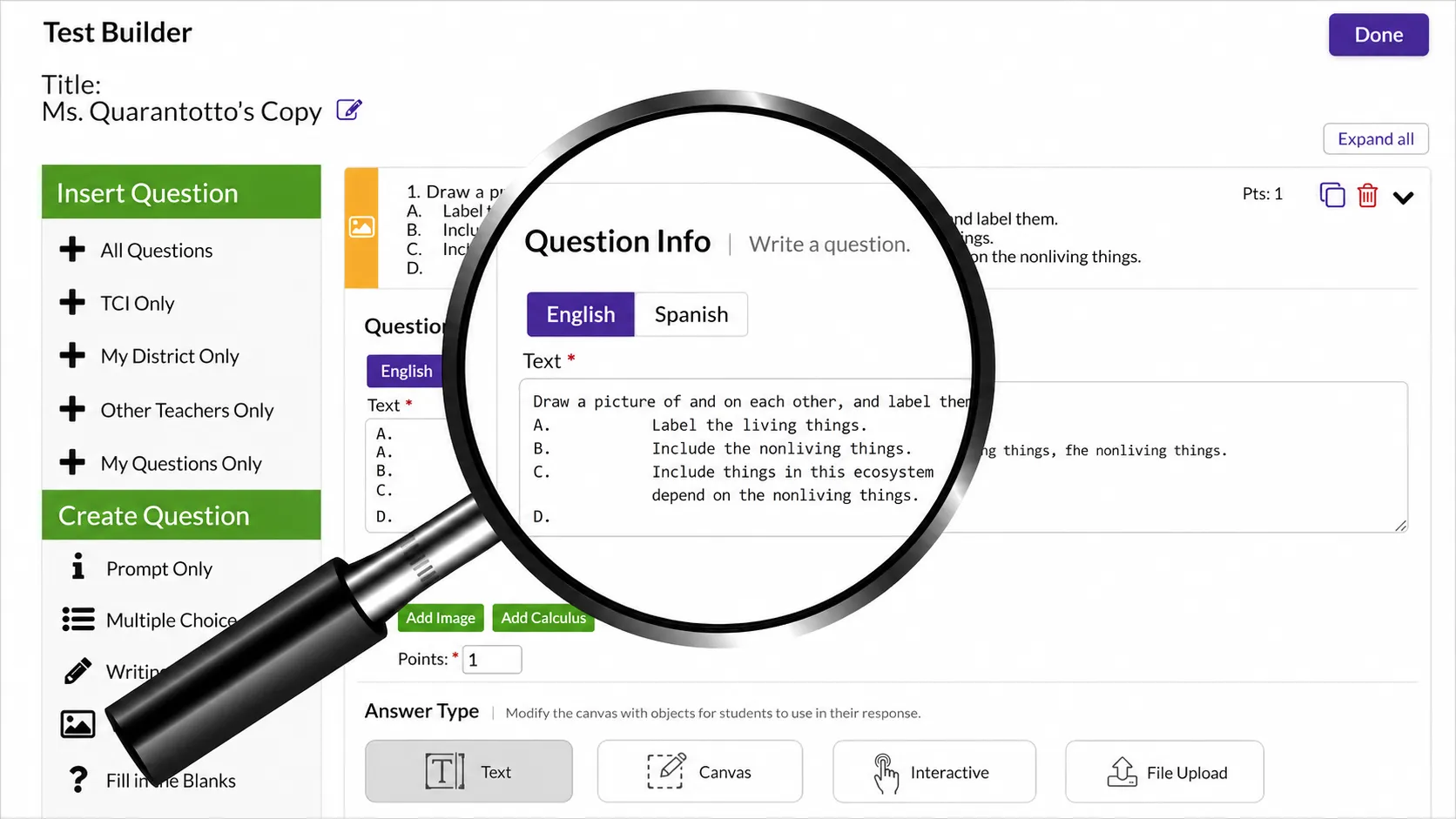
Ready to Bring TCI to Your District?
Whether you're exploring programs, preparing for an adoption, or ready to get a quote — our team is here to help.
Connect with a TCI Expert