
For Zachary Powell, an 8th-grade U.S. History teacher and former U.S. Army sergeant, teaching has always been about connection and impact. After serving in the Army and working as an EMT, Zachary discovered a passion for educating others, whether it was training soldiers, helping patients, or now, teaching middle school students.
“I absolutely loved working with people in those roles, and when I went back to school, I fell in love with history,” Zachary shared. “Since then, I’ve earned my master’s degree in history and have been teaching for six years.”
Supportive Curriculum for Connected Teaching
Last year, Zachary had the opportunity to pilot TCI’s History Alive! The United States Through Industrialism program with his 8th-grade students. He was looking for a curriculum that went beyond isolated events and helped students see the bigger picture across lessons.
“A lot of it was about looking at the connectivity between day-to-day lessons. It’s easy for a teacher to fall into the trap of saying, ‘We’ll cover the Boston Massacre on Tuesday, then move on to the acts that were followed on Wednesday,’ treating each lesson as a singular event. What I wanted was a way to connect these larger concepts, not just throw them together for a test, but create a flow that makes the class feel cohesive. TCI does a wonderful job of that.”
TCI’s programs are built around research-based strategies for active learning, leveraging hands-on activities and inquiry to make history engaging. This approach transforms students into active participants who can make meaningful connections between the past and the world around them.
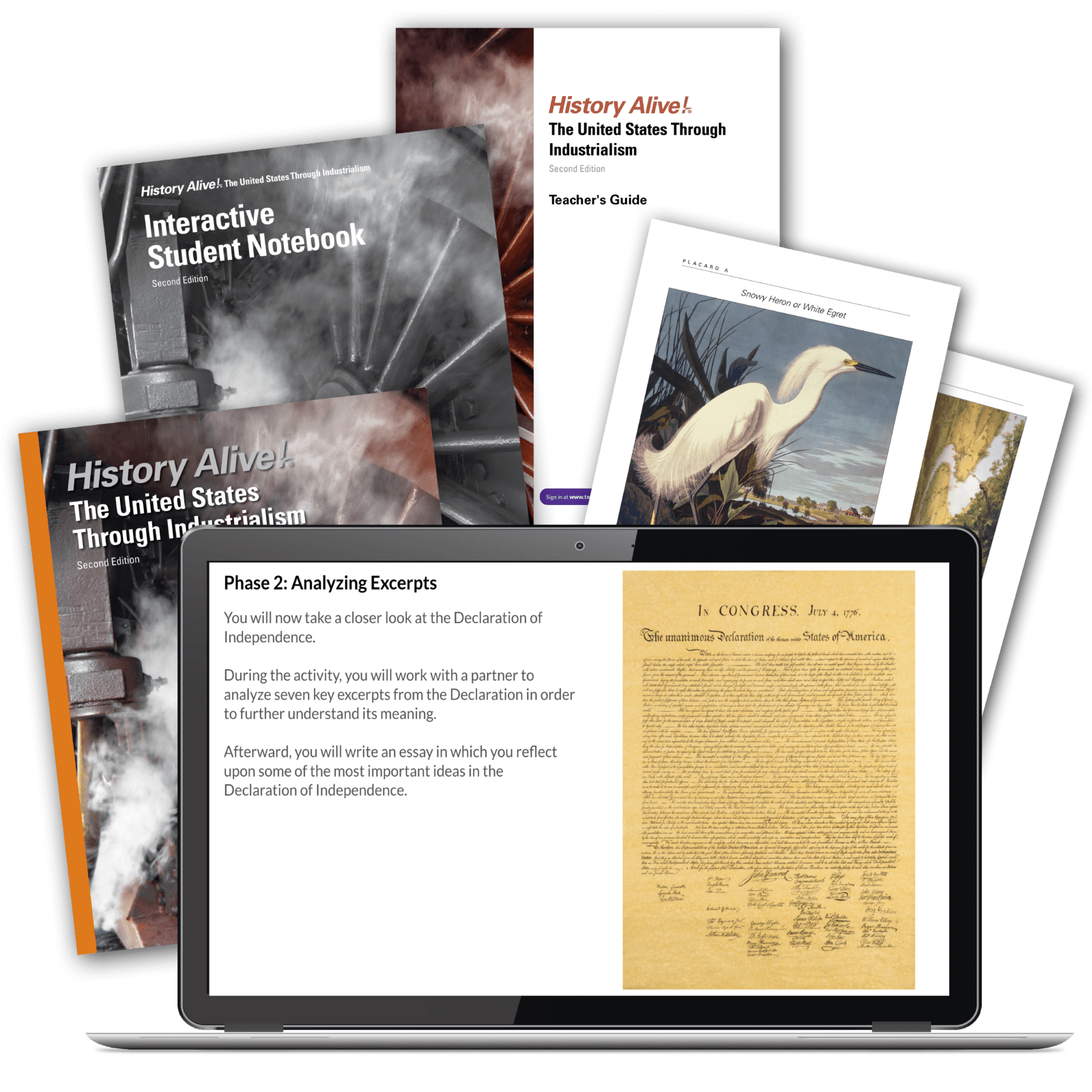
“I noticed that TCI is so much more than just a textbook. It encourages students to think beyond the lesson. One thing I really appreciate is that the curriculum includes links to resources, allowing students to explore topics in more depth while giving teachers additional tools to enrich instruction. It’s not claiming to be the ‘end-all, be-all,’ but it offers so much that it can serve as a one-stop resource for students who need structure, while also providing options for those who want to go further. As a teacher, having those resources readily available is incredibly valuable.”
Making Meaningful Real-World Connections
Active learning is at the heart of TCI’s programs. Students ask questions, think critically, and learn with TCI’s memorable activities that can be conducted in the classroom or online. By encouraging students to participate actively in their learning, TCI creates experiences that are both meaningful and memorable.
For Zachary, the impact of TCI’s program went beyond helping students learn historical facts. It also transformed how they engaged with the material. Through hands-on activities, simulations, and structured role-play, students became active participants in their learning and developed a deeper understanding of historical concepts. TCI’s foundation in research-based pedagogy ensures that lessons are interactive, inquiry-driven, and meaningful.
“I noticed that my students were excited to come to class more than ever before. They were making connections, thinking critically, and taking ownership of their learning.”
One standout activity for Zachary was the Constitutional Convention simulation, where students navigated the Great Compromise. By participating in multiple rounds of debate, articulating their ideas, and negotiating between a unicameral and bicameral Congress, students experienced history in action.
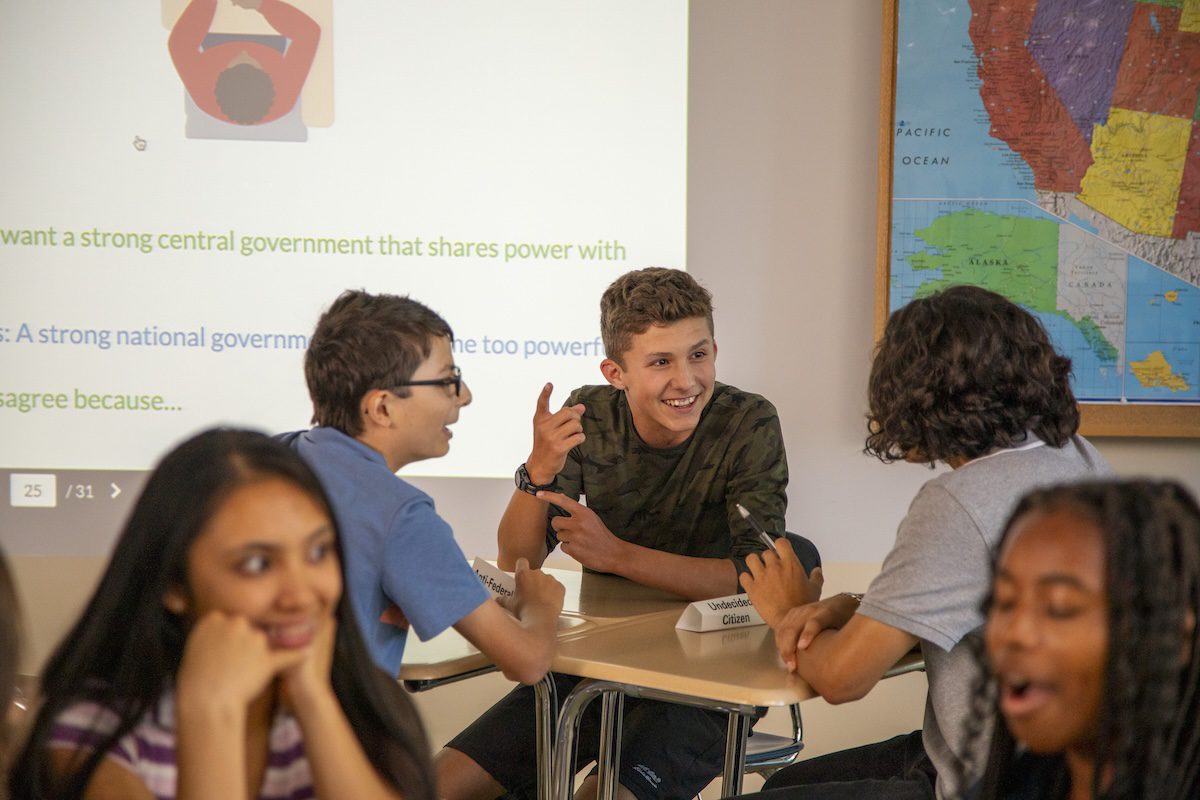
“In almost every class, at nearly the same moment, you could see it click on a student’s face. They would exclaim, ‘I got it!’ and explain the compromise perfectly. It was amazing to see them feel like geniuses, taking ownership of their learning while also feeling brilliant. That moment in every single period, all five classes, I taught was so special. Seeing it happen in perfect sync felt like a beautiful orchestra, and it’s exactly the kind of engagement every teacher hopes for in their classroom.”
By putting active learning at the center of instruction, TCI helps students not just absorb content, but connect concepts, think critically, and take pride in their work.