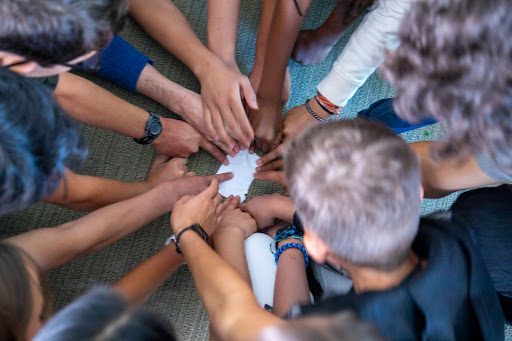

Lisa Mielke has been using TCI in her middle school social studies classes in Austin, Texas for many years. She first came across TCI during a training and has been a fan of the program’s classroom activities ever since.
“I was immediately drawn to TCI after the training,” Lisa shared. “It changed my entire thinking about how to teach social studies. It kind of became the basis for how I taught.”
Lisa has used many different iterations of TCI’s social studies programs, from binders to today’s digital platform. Over the years, Lisa has continued using TCI to boost student engagement and create memorable learning experiences.
Increase Engagement, Increase Learning
One of the hallmarks of a TCI lesson is classroom activities. These experiential activities get students to become active participants in their own learning.
“I really liked the idea of the kids doing the experiential activities, then doing the processing—the thinking. That’s important for them,” Lisa reflected.
Every TCI classroom activity ends with a processing assignment. These processing assignments ask students to reflect on what they have learned, make connections through rich discussions, and apply their learning in creative ways.
“It is so important to have a discussion afterward, because the kids have to process what happened and what they learned,” Lisa continued. “Yes, the activity was fun, but there was a reason why we did it. Let’s talk about why we did it and what we can take away from it.”
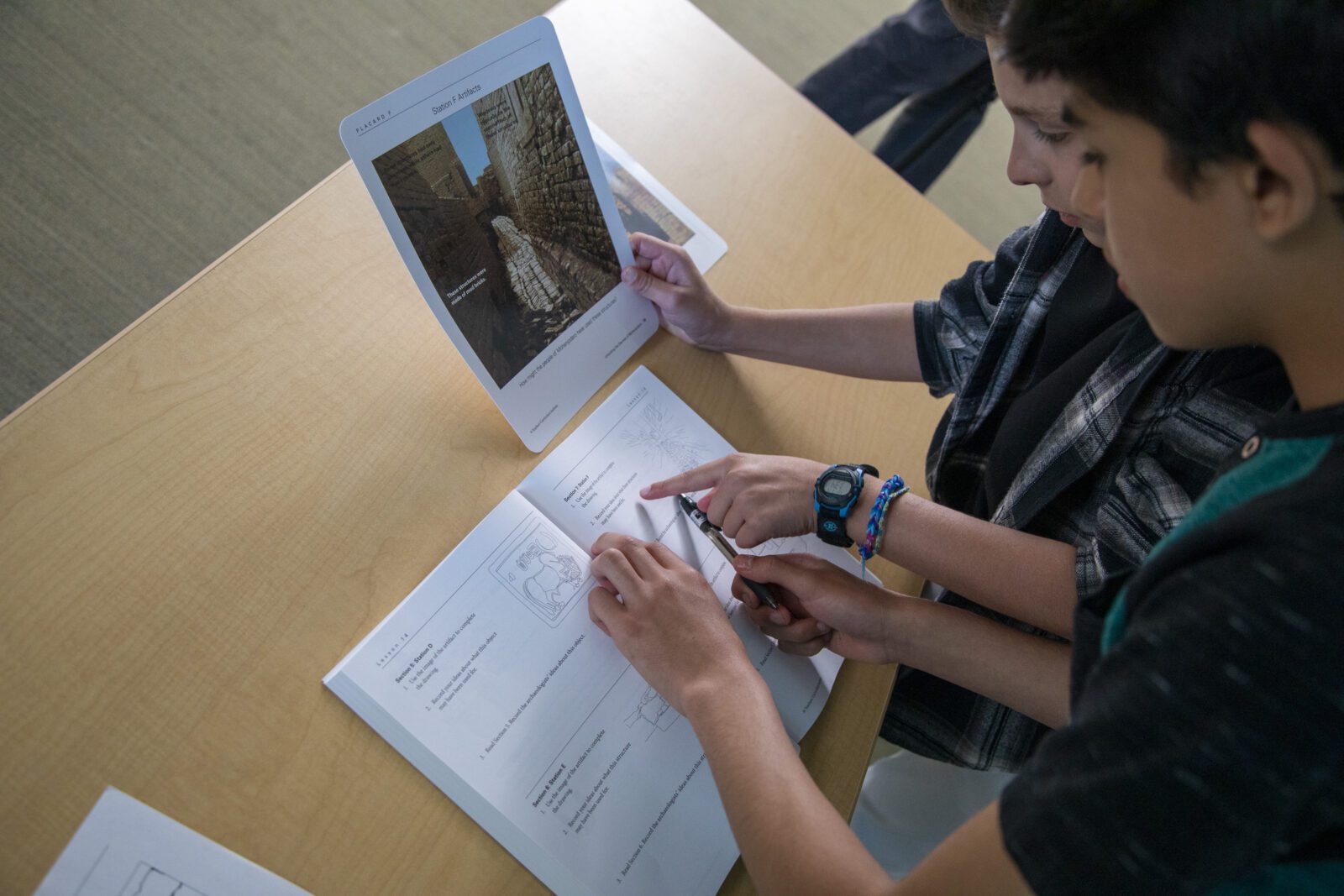
In a TCI lesson cycle, students start with a preview activity that connects to prior knowledge or experiences. Then, they participate in a hands-on classroom activity that integrates rich reading and notebook questions. Finally, students apply what they learned in the processing assignment and summative assessments. This cycle allows students to engage actively with the content.
Reach All Students with Memorable Activities
Lisa found that TCI’s activities left a lasting impression on her students. Some of Lisa’s students had trouble with their school’s traditional textbooks. Fortunately, she found that even students with low reading levels could participate in TCI’s activities and learn the content.
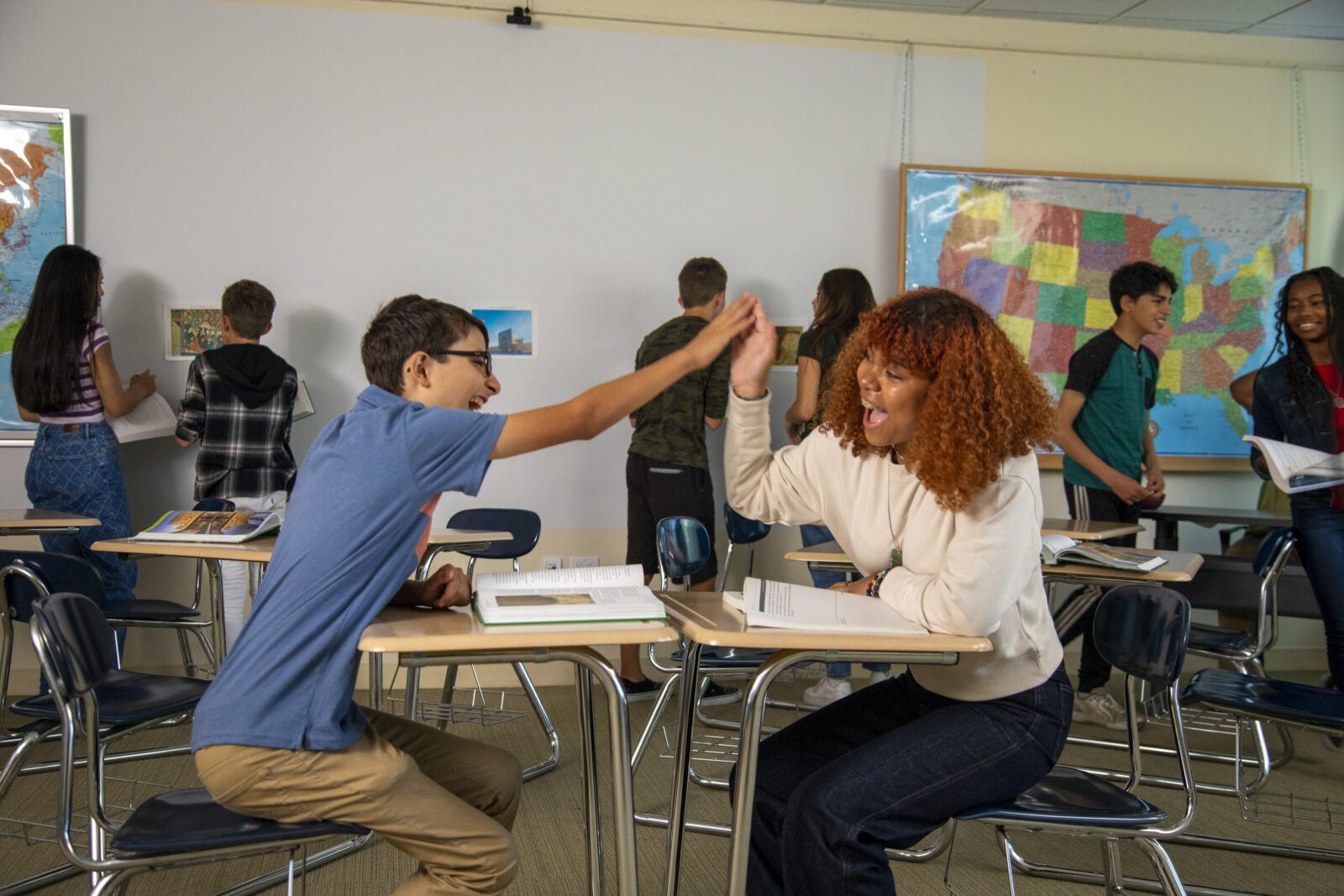
“I was at a Title I school when I first started using TCI. Of course, some students had low reading levels,” Lisa recounted. “But when we started using TCI and doing the activities, they could understand and really get the information.”
When she would run into her students from that Title I school again years later, they would bring up the memorable TCI activities they did as a class.
“They’re in high school and college now, but when they see me, they still mention those activities,” Lisa reflected. “I love that. The activities stuck with them still.”
TCI can help you bring learning alive in your classroom. With thoughtfully designed classroom activities, TCI makes class more fun for students and teachers.
“I can’t imagine teaching without TCI, even if it’s just a lesson here and there,” Lisa shared. “It just makes class so much more interesting for all of us.”